


News
A mushroom supplier can support private label and custom packaging requirements only if it combines product customization, packaging development, label control, and mass production execution into one stable system. Buyers should not judge this capability by a nice sample alone. They should examine how the supplier manages packaging formats, label accuracy, order complexity, MOQ, and repeated delivery consistency. A strong private label supplier is not just a manufacturer. It is a brand-support partner that helps buyers launch, grow, and protect their market presence with confidence.
To assess lead time and production capacity for mushroom product orders, buyers should look beyond a simple delivery promise. The real questions are whether the supplier understands its own process, has genuine production resources, and can manage pressure when orders become larger or more complex. Buyers who evaluate lead time structure, actual capacity, and delivery risk control will make better sourcing decisions and avoid costly surprises. A reliable supplier is not the one that always promises the shortest lead time. It is the one that can deliver realistic timing, stable execution, and consistent support as your business grows.
When buying functional mushroom products, the most important testing standards are not the ones that sound most technical in a brochure. They are the standards that verify identity, claim-linked potency, contamination control, finished-product consistency, and label accuracy with scientifically valid methods and usable batch documents. Buyers who focus on these five areas will make far better sourcing decisions than buyers who only ask for a generic test report. In this category, strong testing is not only about safety. It is what turns a mushroom ingredient into a reliable commercial product.
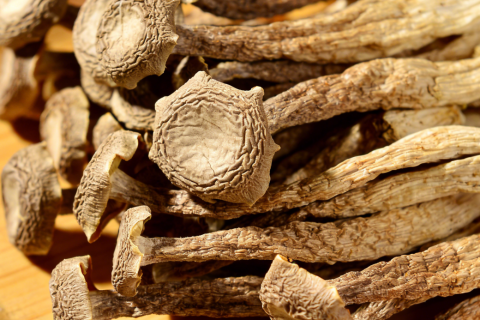
To reduce shipping and storage risks for dried mushroom products, buyers should focus on three things: barrier packaging that resists moisture and protects seal integrity, disciplined transit handling that prevents contamination and physical damage, and warehouse control that keeps products cool, dry, dark, and properly rotated. The safest supplier is not simply the one with a low quote. It is the one that can protect product condition from the packing line all the way to the buyer's shelf.
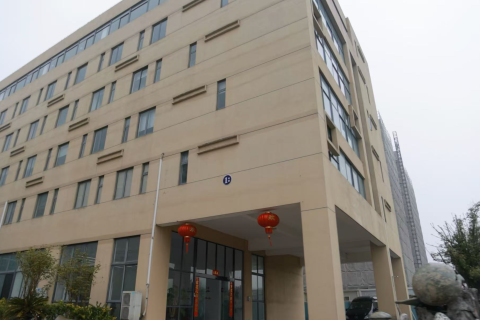
To choose a reliable mushroom product supplier for long-term cooperation, buyers should start with real food safety systems, verify independent certification, review compliance history, and then judge whether the supplier can support ongoing verification, documentation, and execution as the business grows. The best long-term supplier is not simply competitive on price. It is structured, auditable, responsive, and stable enough to reduce risk year after year.
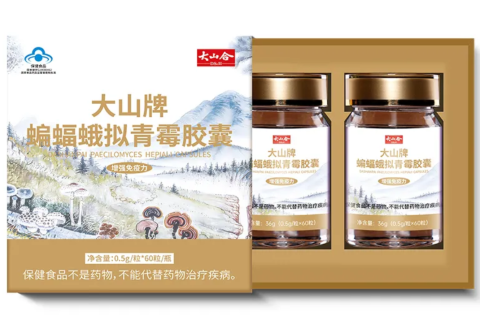
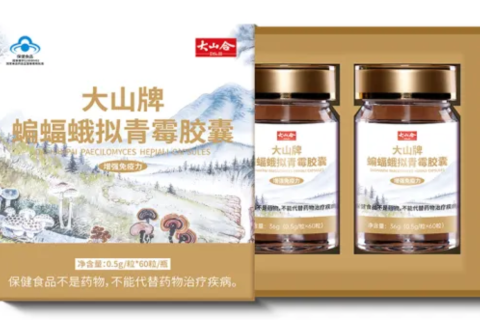
In essence, Dashanhe’s mushroom and herb capsule is a thoughtfully engineered bridge between ancient wisdom and modern nutritional science. It synergistically combines the foundational, system-harmonizing effects of revered adaptogens with the targeted, energy-metabolism support of a key nutrient. This creates a multi-faceted formula that doesn’t just address a single symptom but works holistically to enhance the body’s inherent resilience, metabolic efficiency, and overall vitality. It represents a convenient and intelligent approach to daily wellness supplementation for those seeking comprehensive, proactive support.
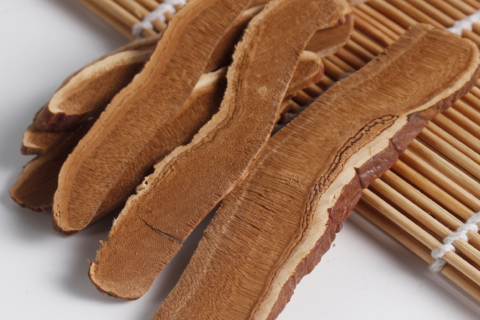
In summary, the immune-boosting power of Dashanhe’s Pure Ganoderma Lucidum Biscuits is a sophisticated blend of ancient herbal reverence and modern nutritional science. It delivers the foundational, adaptogenic support of premium Reishi mushroom in a bioavailable, convenient, and consistent format. By directly nourishing the immune system while aiding the body’s overall stress resilience, these biscuits offer a holistic and practical strategy for proactive wellness. They are more than a snack; they are a daily dose of preventive care, designed to seamlessly support the body’s natural defenses in the flow of modern life.
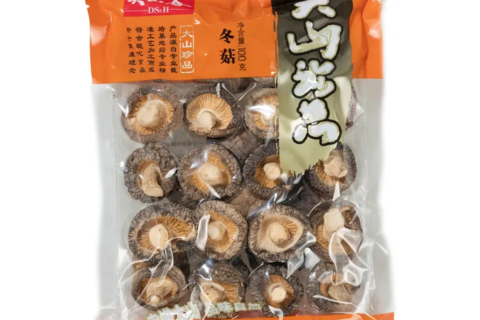
In essence, the unique flavor and aroma of Dashanhe's Premium Dried Winter Mushrooms are a harmonious culmination of nature's perfect timing and human craftsmanship. The cold-weather harvest provides a dense, compound-rich canvas, while the expert low-temperature drying acts as the masterstroke, intensifying and preserving these qualities into a potent, versatile ingredient. The result is not just a mushroom, but a concentrated essence of umami and forest perfume—a reliable cornerstone for creating dishes with profound depth and authentic, soul-satisfying flavor.
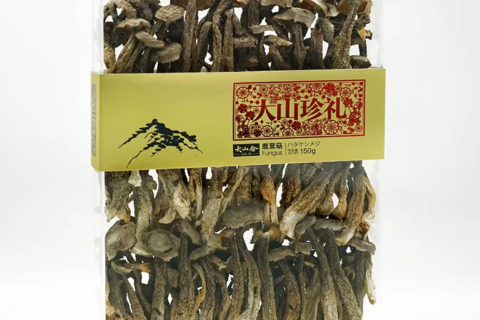
In summary, Deer Horn Mushroom from Dashanhe is more than an exotic name; it is a commitment to wild, unadulterated flavor and texture. It embodies the rarity of a specific forest harvest, preserved through expert drying to capture its unique crisp-tenderness. As a versatile culinary ingredient, it provides a textural masterpiece that elevates both simple and complex dishes. Choosing Dashanhe’s Deer Horn Mushroom means choosing an authentic, sustainable, and premium wild-foraged experience—a true delicacy for the discerning palate.
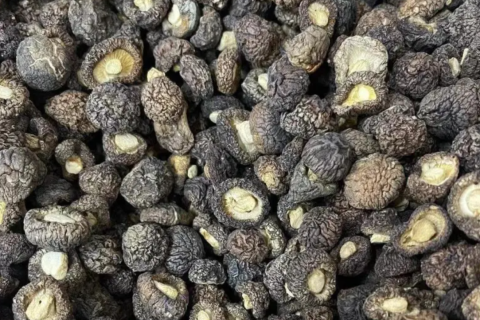
In summary, Premium Dried Black Fungus, as defined by Dashanhe’s exacting standards, is far more than a simple dried mushroom. It is the culmination of superior sourcing, artisanal processing, and inherent nutritional wealth. It serves as a versatile culinary workhorse and a potent functional food, delivering a unique texture, a clean umami note, and a host of wellness-supporting properties. Choosing Dashanhe’s premium variant is an investment in quality, health, and authentic flavor for the discerning cook and health-conscious consumer.