



How To Assess Lead Time And Production Capacity For Mushroom Product Orders
2026-04-02 13:02Understand What Really Affects Lead Time In Mushroom Product Orders
The first step is to understand that lead time is not a single number. It is the result of several linked stages, including raw material preparation, sorting or processing, packaging material readiness, production scheduling, quality inspection, and shipment arrangement. For mushroom-based products, lead time may vary depending on harvest season, raw material stock, product complexity, packaging format, and whether the order is standard or customized. If a supplier only gives a very short delivery promise without explaining the process behind it, buyers should be cautious.
International buyers should ask very practical questions. Is the quoted lead time based on stock, semi-finished inventory, or full made-to-order production? Does the lead time include custom packaging development and label approval? Are there different timelines for samples, first orders, and repeat orders? Can the supplier explain which stage usually causes delays? A professional supplier should be able to break down the timeline clearly rather than giving one vague promise. When buyers understand how lead time is built, they can judge whether the supplier is truly organized or simply trying to win the order with an optimistic answer.
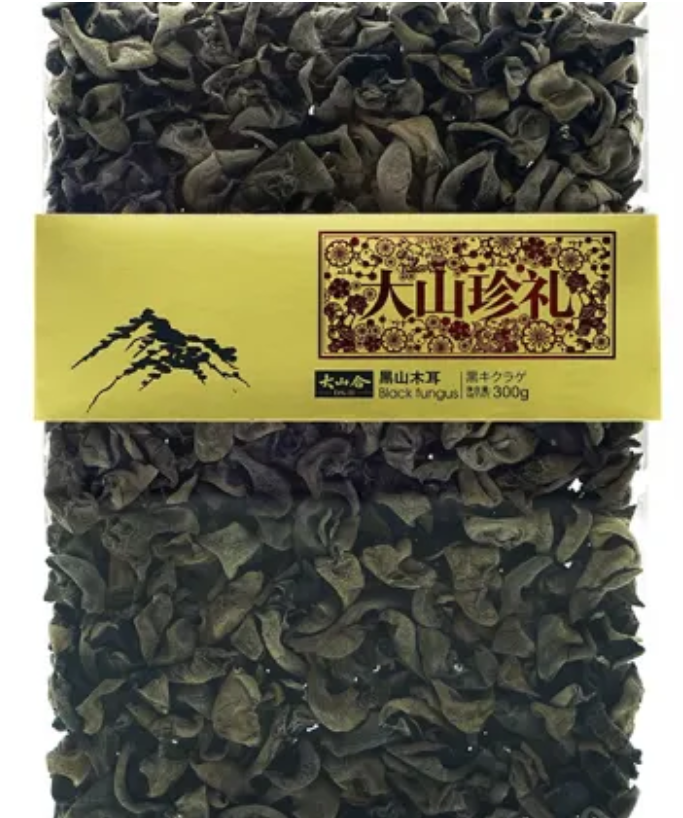
Evaluate Whether The Supplier Has Real Production Capacity Or Only Sales Capacity
Many suppliers look strong in sales communication, but their actual production capacity may be far more limited than their quotations suggest. That is why buyers should separate “sales capacity” from “factory capacity.” A reliable mushroom supplier should be able to explain its real production resources, including processing lines, labor organization, shift arrangements, packaging capability, warehouse support, and coordination with upstream raw material supply. For some products, capacity depends more on raw material access; for others, it depends more on packing line availability or custom packaging lead time. Buyers should understand where the real bottleneck is.
A useful way to assess capacity is to ask scenario-based questions instead of asking only for a monthly output number. For example: How many tons or units of this specific product can you produce per month under current conditions? What happens in peak season? Can you handle mixed-SKU orders? How do you prioritize repeat customers versus new customers? Can you support urgent replenishment if demand rises unexpectedly? A capable supplier should answer these questions with structure and logic. In bulk procurement, the ability to scale smoothly is often more important than claiming a large theoretical output.
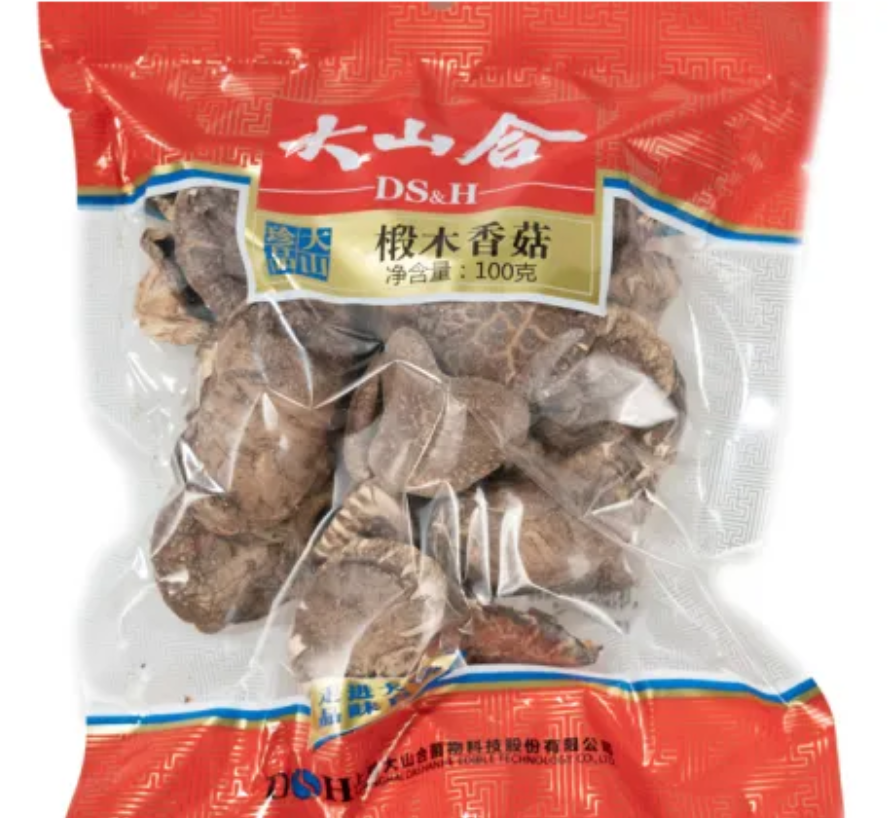
Check How The Supplier Handles Peak Season, Custom Orders, And Delivery Risk
The real test of lead time and capacity is not how a supplier performs under ideal conditions. It is how the supplier performs when demand rises, packaging becomes more complex, or several orders overlap. Buyers should ask how the supplier manages peak season pressure, raw material fluctuations, and customized packaging projects. For example, standard bulk dried mushrooms may have one lead time, while private label gift boxes or multi-item soup sets may require much longer coordination. If the supplier uses the same promise for all order types, that usually suggests weak planning.
It is also important to evaluate delivery risk management. Does the supplier keep safety stock for key raw materials? Does it prepare backup plans for packaging delays or shipment changes? Can it provide progress updates during production? What is the response if the order risks being late? Strong suppliers usually give buyers a more realistic delivery window, clear milestone checkpoints, and early communication if problems appear. Weak suppliers often stay silent until the deadline is close. In international sourcing, on-time delivery is not just about speed. It is about visibility, discipline, and the ability to manage risk before it becomes a customer problem.
To assess lead time and production capacity for mushroom product orders, buyers should look beyond a simple delivery promise. The real questions are whether the supplier understands its own process, has genuine production resources, and can manage pressure when orders become larger or more complex. Buyers who evaluate lead time structure, actual capacity, and delivery risk control will make better sourcing decisions and avoid costly surprises. A reliable supplier is not the one that always promises the shortest lead time. It is the one that can deliver realistic timing, stable execution, and consistent support as your business grows.