



How To Reduce Shipping And Storage Risks For Dried Mushroom Products
2026-03-31 13:11Use Moisture-Resistant Packaging And Strong Container Protection Before Shipment
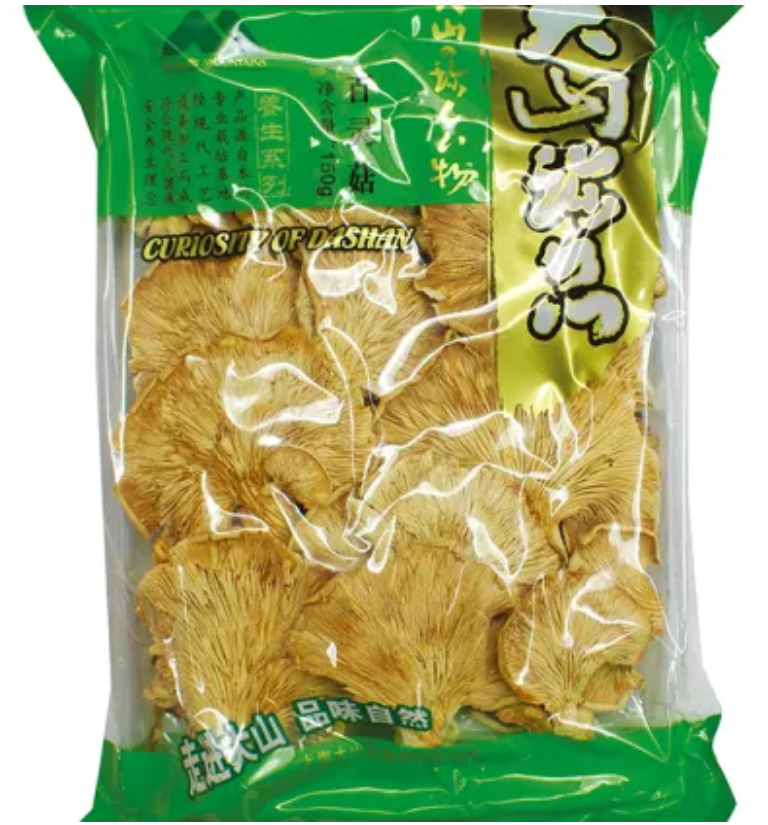
The first step in reducing shipping risk is to make sure the dried mushroom product is packed in a way that prevents rehydration, contamination, and seal failure. FDA inspection guidance for food products specifically states that packaging rooms should be moisture-proof and dry, packaging materials should be protected from dust, moisture, and other contamination, and finished product should be protected from moisture, vermin, and other contamination during handling and storage. In practical sourcing terms, buyers should ask whether the supplier uses food-grade inner bags, export-grade cartons, dry packaging areas, and clear sealing controls before the goods ever reach the container.
Buyers should also evaluate packaging performance, not just packaging appearance. FDA guidance on container closure systems highlights moisture permeation and seal integrity as critical protection considerations, and FDA container examination guidance notes that poor closure integrity can allow defects when moisture or product residue affects the seal. For dried mushroom orders, that means buyers should check whether inner bags are truly moisture-resistant, whether seals are tested, whether cartons are strong enough for long transit, and whether pallet wrapping or secondary protection is used for sea shipment. A good-looking package is not enough; the real question is whether it can hold its barrier performance through loading, ocean transit, unloading, and warehousing.
Control Moisture, Contamination, And Handling Damage During Transit
Shipping risk is not only about how long the cargo is on the water. It is also about whether the product remains dry, protected, and physically stable during the entire trip. FDA’s preventive controls guidance notes that food can become contaminated if a container leaks or loses seal integrity, and FDA’s low-moisture food sanitation guidance emphasizes that dry food-contact surfaces should be kept clean, dry, and sanitary before use. For buyers, this means shipment risk control should begin with pre-loading checks: dry cargo only, intact seals, clean loading conditions, and no damaged inner or outer packaging before the container door is closed.
Transit handling also needs to be managed like a quality issue. If cartons are stacked poorly, exposed to wet loading conditions, or mixed with cargo that creates odor or contamination risk, dried mushrooms may arrive with broken pieces, off-odors, dampness, or packaging collapse. Buyers should therefore confirm loading method, pallet condition, container cleanliness, and whether the supplier has a clear inspection step before dispatch. The goal is simple: once the product leaves the factory, it should still arrive in the same dry and saleable condition. Strong suppliers treat pre-shipment inspection, carton condition, and loading discipline as part of quality assurance, not just freight preparation.
Store In A Cool, Dry, Dark Warehouse And Manage Stock Rotation Carefully
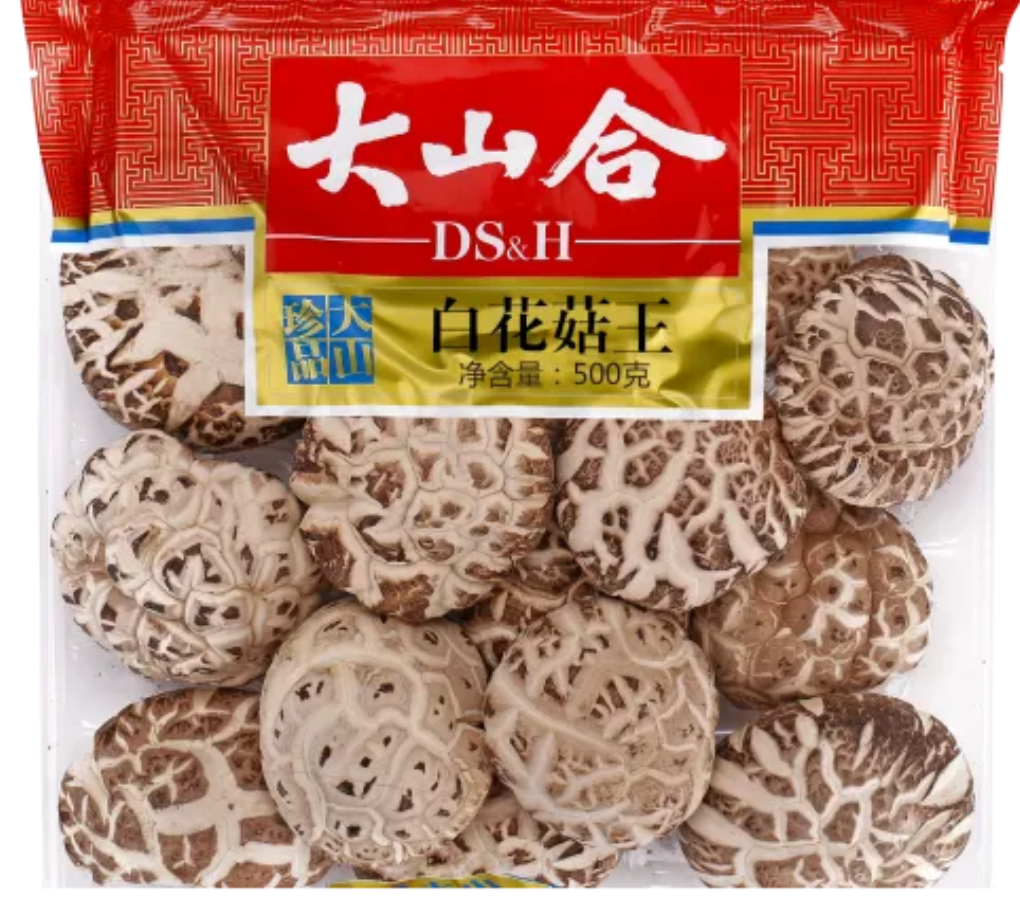
Storage risk does not end when the shipment arrives. National food preservation guidance states that dried foods should be stored in cool, dry, dark areas, and that higher temperatures shorten storage life; Foodsafety.gov likewise recommends a cool, dry, dark place, ideally around 40°F to 70°F for canned or dried foods. In commercial terms, buyers should look for clean, dry warehouses, away from direct sunlight, with stable conditions and no obvious humidity exposure. Even a well-packed dried mushroom product can lose value if it sits too long in a hot, bright, or damp storage environment.
Stock management is just as important as room conditions. Foodsafety.gov advises checking expiration dates and using and replacing food before the expiration date, which aligns with the practical buyer approach of date coding, lot control, and disciplined stock rotation. For dried mushroom imports, buyers should require clear lot numbers, packing dates, and warehouse rotation rules so older stock is shipped or used first. They should also inspect for carton damage, moisture exposure, pest signs, and odor transfer during storage. The best warehouse is not just a place to hold inventory; it is a controlled environment that protects quality until the product reaches the final customer.
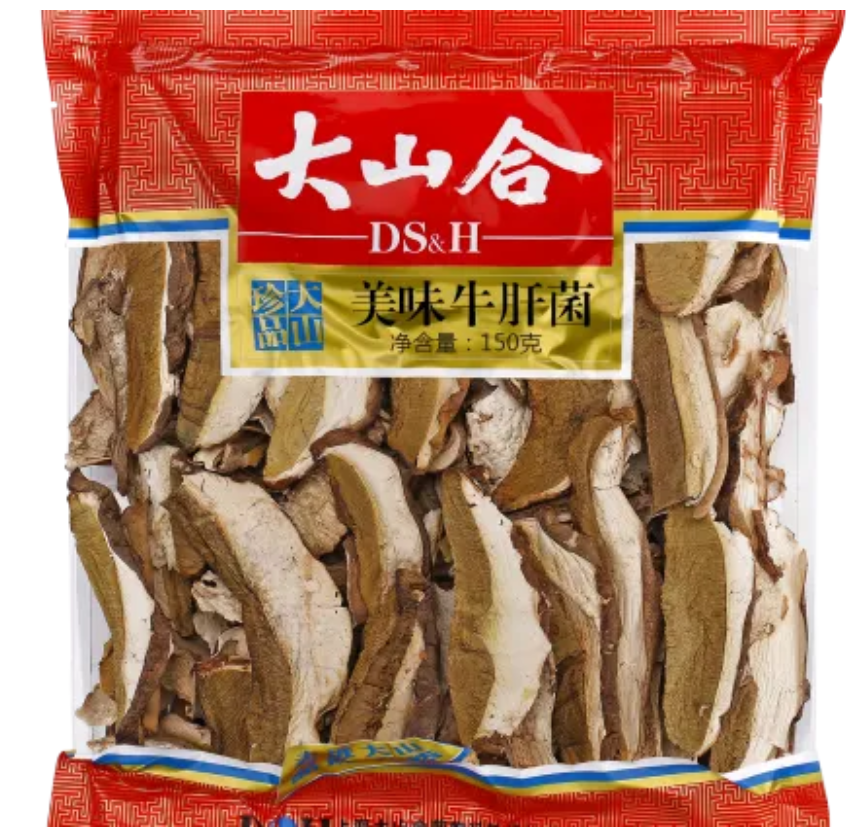
To reduce shipping and storage risks for dried mushroom products, buyers should focus on three things: barrier packaging that resists moisture and protects seal integrity, disciplined transit handling that prevents contamination and physical damage, and warehouse control that keeps products cool, dry, dark, and properly rotated. The safest supplier is not simply the one with a low quote. It is the one that can protect product condition from the packing line all the way to the buyer's shelf.