


News
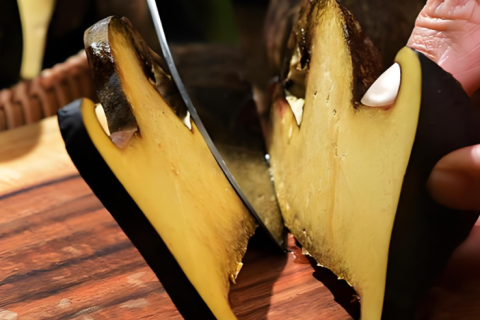
In summary, premium dried porcini mushrooms are not merely an ingredient but a transformative culinary tool. From the foundational porcini broth to their application in sophisticated sauces and stuffings, and their role as a versatile pantry staple, they offer an unparalleled depth of flavor. By starting with high-quality products from trusted suppliers like Dashanhe Group, both novice and experienced cooks can reliably unlock the rich, earthy essence of porcini to elevate their cooking from ordinary to exceptional.
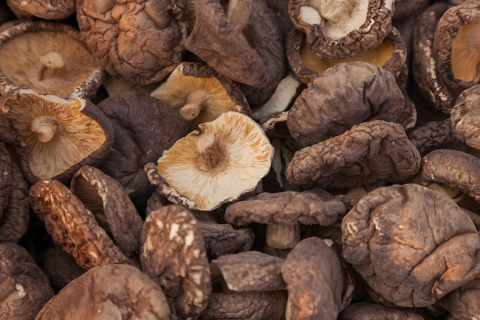
In summary, incorporating medicinal mushrooms into a hectic lifestyle is not about adding another task, but about smart integration. By leveraging convenient formats like powders, tinctures, seasonings, and ready-to-eat products from trusted suppliers like Dashanhe Group, you can effortlessly weave the profound benefits of adaptogens into your morning ritual, your main meals, and your on-the-go moments. Consistency becomes effortless, turning ancient wisdom into a sustainable, modern health strategy.
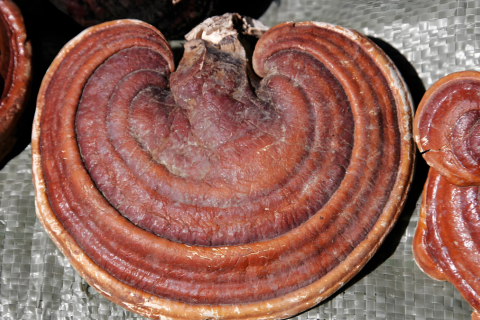
The true power of medicinal mushrooms is often realized through their classification as adaptogens, helping the body manage and adapt to physical and mental stress. Reishi, Cordyceps, and Chaga are prime examples of powerful adaptogenic fungi. They work by supporting the hypothalamic-pituitary-adrenal (HPA) axis, the central command center for our stress response. By promoting balance within this system, adaptogenic mushrooms can help modulate cortisol levels, improve energy metabolism, and enhance the body's overall resilience. The synergy created by combining different mushrooms, such as the sustained vitality offered by Cordyceps with the calming focus promoted by Reishi, can provide comprehensive support for modern stressors. Companies like Dashanhe Group leverage this understanding by creating synergistic blends, such as mushroom soup mixes or powdered drinks, making it easier for individuals to harness the holistic, balancing power of adaptogens for improved stress management and sustained vitality.
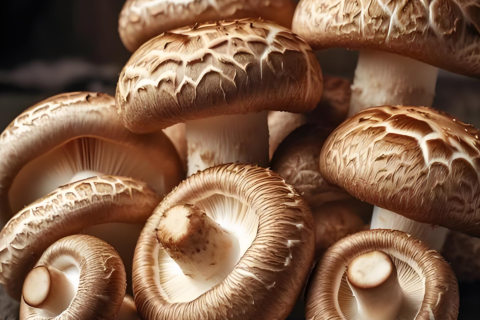
In conclusion, mycoculture is far more than a method of food production; it is a multifaceted solution to some of our most pressing environmental challenges. Through efficient resource use, pollution reduction, and the innovative creation of circular economies, it actively contributes to planetary health. Pioneering companies like Dashanhe Group are demonstrating that commercial success and ecological stewardship can go hand in hand, proving that the humble mushroom holds profound lessons for building a more sustainable and resilient world.
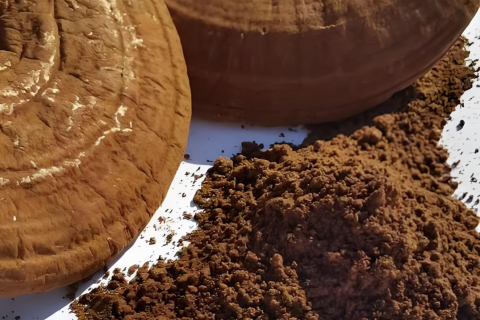
In conclusion, while whole mushrooms remain a valuable dietary component, mushroom powder represents a significant evolution in nutritional technology. It overcomes the limitations of digestion through enhanced bioavailability, delivers a concentrated and standardized dose of active compounds, and provides modern convenience for daily use. For those seeking to fully harness the proven health benefits of functional mushrooms—from immune support to cognitive enhancement—choosing a high-quality powder from a reputable supplier like Dashanhe Group is not just a matter of convenience, but one of efficacy and assured quality.

Dashanhe Group’s position as a leader in mushroom innovation is built on a three-pillar foundation: revolutionizing cultivation through science and sustainability, mastering advanced extraction to unlock full-spectrum efficacy, and relentlessly pursuing future-forward applications in food and biotech. They transform the humble mushroom from a simple ingredient into a powerful, reliable, and versatile platform for wellness and sustainability. By consistently pushing the boundaries of what is possible with fungi, Dashanhe is not only setting the standard for quality in the present but is also actively shaping a healthier, more innovative future where mushrooms play a central role in global well-being.
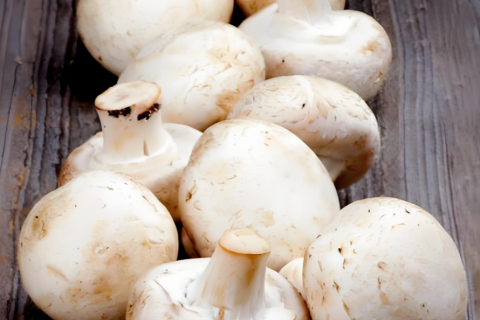
Navigating the market for mushroom supplements requires a vigilant, informed approach. Counterfeit and low-quality products compromise not only your health investment but also the profound benefits these functional fungi offer. By meticulously examining labels for specificity and certifications, researching the brand's sourcing and extraction processes, and using sensory analysis, you can effectively identify authentic products. Choosing a trusted, transparent leader like Dashanhe Group, which provides detailed information, adheres to strict quality controls, and delivers products with the expected sensory markers of purity and potency, ensures you receive the genuine, therapeutic benefits promised by nature's powerful adaptogens.
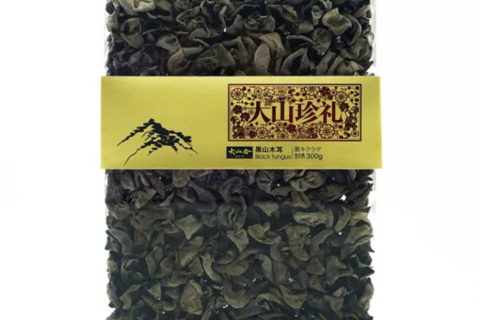
Cooking with dried mushrooms is a simple yet transformative practice that bridges convenience with gourmet results. The process of rehydration unlocks their potent, condensed flavors and nutrients, while the resulting broth serves as a foundational elixir for countless dishes. From traditional Asian stews to modern superfood seasonings, dried mushrooms offer unparalleled versatility and a powerful umami punch. By selecting premium, carefully processed mushrooms from a specialist like Dashanhe, you ensure the highest quality, flavor, and nutritional value in your cooking. Embracing dried mushrooms means elevating everyday meals into nutrient-dense, deeply satisfying culinary experiences, proving that some of the best flavors truly do come in dried form.
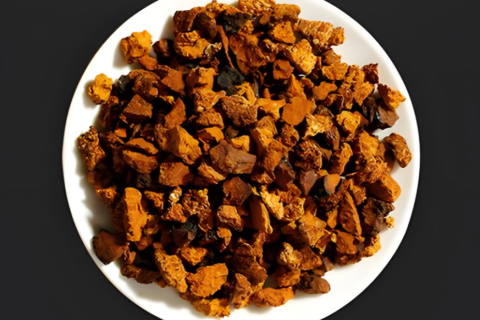
Chaga tea is more than a beverage; it is a centuries-old ritual of extraction that unlocks one of nature's most formidable medicinal fungi. The lengthy decoction process is not a suggestion but a requirement to access its deep reservoir of antioxidants, immune-modulating polysaccharides, and unique adaptogens. The resulting brew offers a symphony of benefits—from combating oxidative stress and educating the immune system to promoting sustained energy and resilience. When you begin with premium, ethically sourced Chaga from a trusted provider like Dashanhe, and honor the traditional preparation method, you transform simple ingredients into a powerful, daily elixir for foundational, holistic health.
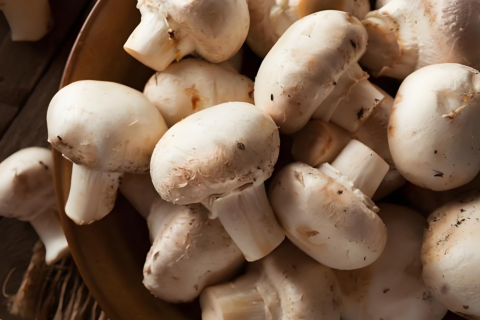
The choice between organic and conventional mushrooms is a decision that extends from the farm to the body. Organic cultivation, as exemplified by Dashanhe Group, represents a holistic commitment to environmental stewardship, which in turn fosters mushrooms of superior nutritional and therapeutic potency, free from synthetic contaminants. The rigorous certification process ensures transparency and trust. While conventional mushrooms may offer a cost-effective option, certified organic mushrooms provide an invaluable investment in personal health, ecological sustainability, and the peace of mind that comes from consuming nature's offerings in their purest, most potent form. In the realm of functional foods, where potency and purity are paramount, organic is not merely a label—it is the definitive standard for quality and intentionality.