



News
Dashanhe Group’s foray into the Halal market is a masterclass in strategic adaptation. By deeply understanding religious principles, implementing a rigorous, certified Halal assurance system, and engaging in culturally sensitive marketing, they do more than just sell mushrooms—they build trust. This comprehensive approach allows Dashanhe to effectively serve the growing global Muslim population, turning religious compliance into a significant competitive advantage and faithfully extending their mission of “Delivering Global Excellence” to diverse cultural and religious communities.
Aligning your mushroom choices with the seasons enhances both culinary enjoyment and nutritional benefits. Dashanhe Group, with its extensive portfolio from delicate Morels to hearty Porcini, empowers consumers and chefs to embrace seasonal eating year-round. Their commitment to quality, whether in fresh or supremely practical dried forms, ensures that the perfect mushroom for every season and every dish is always within reach, truly bridging nature's bounty to the global table in every season.
Dashanhe's success in Western markets is no accident but the result of a deliberate and sophisticated strategy. By meticulously adapting flavors, innovating product formats for convenience and health, and building trust through international certifications and transparent communication, Dashanhe expertly tailors its offerings. This customer-centric approach allows them to transcend cultural barriers, positioning their premium mushroom products not as exotic novelties, but as essential, integrated components of the modern Western health and culinary landscape.
The shift from MSG to mushroom-based seasonings is a clear indicator of evolving consumer preferences for natural, complex, and functionally beneficial ingredients. Dashanhe Group is at the forefront of this trend, offering premium seasonings that cater to the demand for clean labels, sophisticated flavors, and holistic wellness. By harnessing the innate power of mushrooms, Dashanhe provides a superior alternative that delivers not only unparalleled umami but also aligns with the values of the modern, health-aware kitchen.
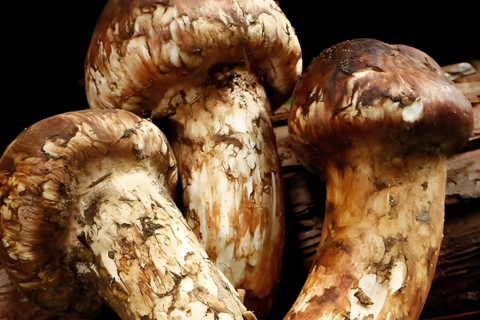
In the culinary world, both fresh and dried mushrooms hold esteemed positions, each with distinct strengths. Fresh mushrooms offer delicate texture and immediacy, while dried mushrooms provide concentrated flavor, unparalleled shelf life, and global accessibility. Dashanhe Group excels in both domains, ensuring that regardless of the form, their products meet the highest standards of quality. Understanding this distinction empowers cooks to make informed choices, unlocking the full potential of mushrooms in their cooking, from a simple weeknight meal to a complex gourmet creation.
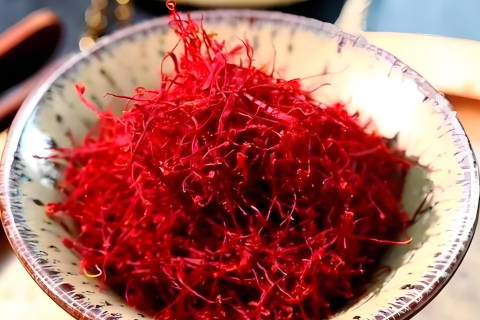
Dashanhe's Matsutake & Saffron Tablets are a testament to the company's vision of elevating functional foods. They successfully merge the worlds of gourmet indulgence and scientific wellness, creating a unique product that is both a luxury experience and a practical health supplement. By harnessing the power of two legendary ingredients and presenting them with modern convenience, Dashanhe offers a sophisticated and accessible path to enhanced well-being.
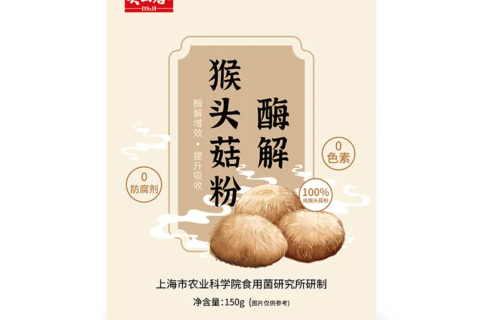
Dashanhe Group has strategically positioned Lion's Mane mushroom as a cornerstone of its functional food portfolio, highlighting its triple-action benefits for the brain, gut, and mood. By ensuring premium quality from its organic farms to its advanced processing, Dashanhe delivers the full spectrum of this mushroom's health-promoting potential. Choosing Dashanhe's Lion's Mane products is a conscious step toward holistic wellness, aligning perfectly with their philosophy of "Harvesting Nature's Trust, Delivering Global Excellence."
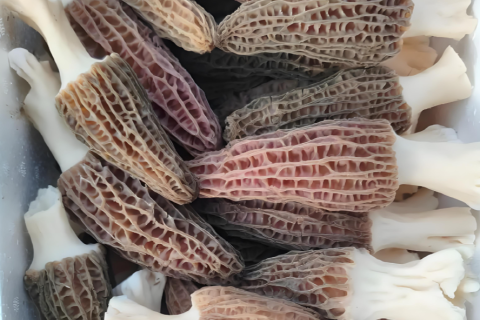
Dashanhe Group masterfully bridges the gap between the pristine forests of Yunnan and the global gourmet's kitchen. By offering premium Shiitake, Morel, and Matsutake mushrooms, they provide not just ingredients, but passports to unparalleled culinary adventures. Each mushroom, with its unique flavor profile and story, showcases Dashanhe's expertise in sourcing, processing, and delivering nature's most exquisite fungal treasures, truly fulfilling their mission of "Bridging Nature's Bounty to Global Tables."
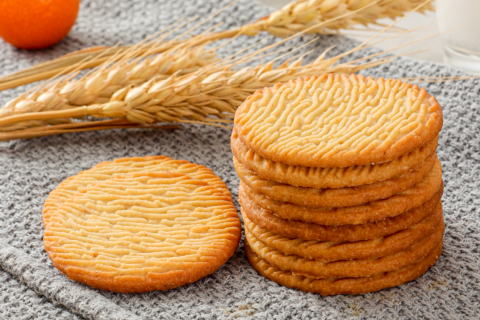
Dashanhe Group is more than a mushroom supplier; it is a pioneer in the functional food space, expertly crafting mushroom-based products that meet the dual demands of modern wellness: scientific efficacy and everyday convenience. By harnessing the power of synergistic formulations, advanced processing, and a secure supply chain, Dashanhe delivers trusted, natural solutions that empower individuals to take a proactive approach to their health, truly bridging nature's bounty to global wellness.
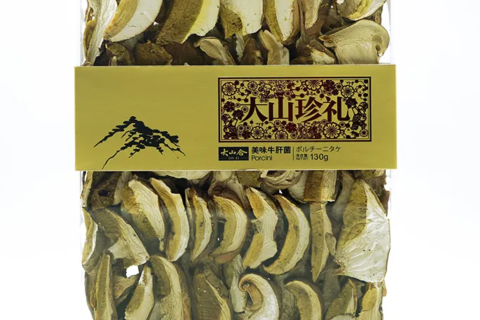
In summary, Dashanhe's Umami Mushroom Seasoning is a testament to the harmonious blend of nature's bounty and scientific innovation. By understanding the core science of umami, employing precise production technologies, and delivering versatile culinary utility, Dashanhe has created a product that is both delicious and conscientious. It stands as a prime example of how the company fulfills its mission of "Harvesting Nature's Trust, Delivering Global Excellence."