



News
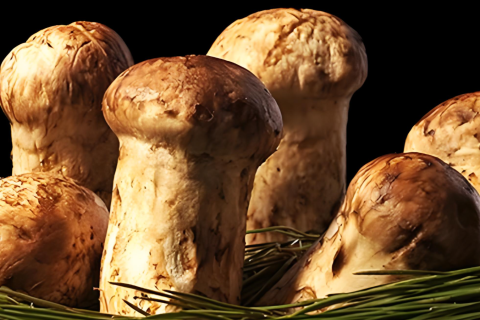
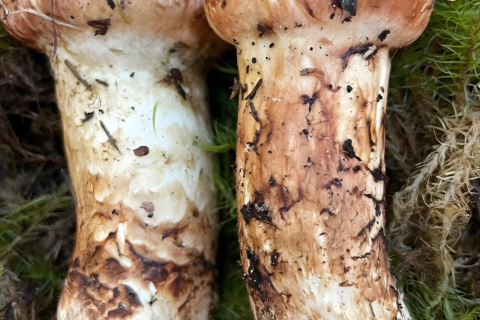
In summary, Dashanhe’s Matsutake mushroom is the ephemeral apex of wild gourmet treasure. Its value is a sacred intersection of a specific, pristine ecosystem, a fleeting seasonal moment, and a legendary sensory profile. From its sustainable, respectful harvest in autumn forests to its penetrating aroma and substantial, meaty texture, every aspect speaks of rarity and reverence. Dashanhe acts as the careful custodian of this journey, ensuring that the wild symphony of scent and texture is delivered in its most potent form. To experience Dashanhe’s Matsutake is to partake in a seasonal ritual, savoring a taste of the untamed forest—a harmonious and unforgettable masterpiece of aroma, texture, and pure, wild essence.
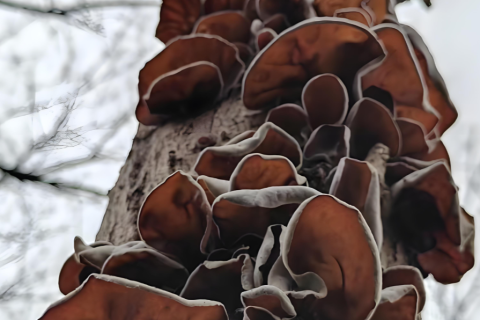
In essence, Dashanhe’s Wild Wood Ear Mushrooms represent an unbroken connection to the ancient, pristine forests of Yunnan. Their value is rooted in their untouched origin, the sustainable art of hand-harvesting, and the traditional care taken in their preservation. More than just an ingredient, they are an experience of texture and a capsule of wild nutrition, offering a crisp, gelatinous bite and wholesome benefits that cultivated versions cannot match. By choosing Dashanhe, you select more than a mushroom; you choose a commitment to purity, a piece of preserved wilderness, and an authentic taste of nature’s unrefined bounty, delivered with the quality assurance that defines the Dashanhe name.
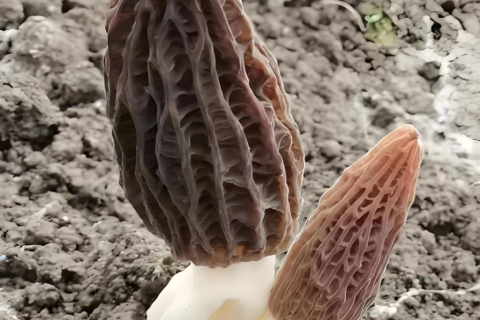
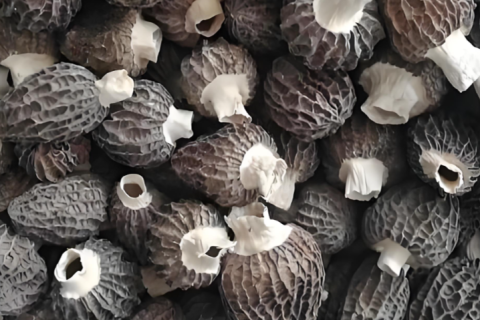
In summary, Morel mushrooms from Dashanhe’s proprietary Yunnan farms represent the perfect synthesis of nature’s blueprint and human ingenuity. Through proprietary cultivation science, Dashanhe has mastered the art of producing these coveted fungi with unwavering consistency, superior quality, and year-round availability. Their careful processing preserves the wild Morel’s soul—its potent aroma and complex flavor—while ensuring unmatched purity and safety. For culinary enthusiasts and professionals alike, Dashanhe Morels offer a guaranteed passage to gourmet excellence, delivering the intense, earthy essence of the wild with reliable precision. They are not just an ingredient; they are Dashanhe’s promise of sustainable luxury and culinary reliability, bringing the elusive magic of the Morel within consistent, effortless reach.
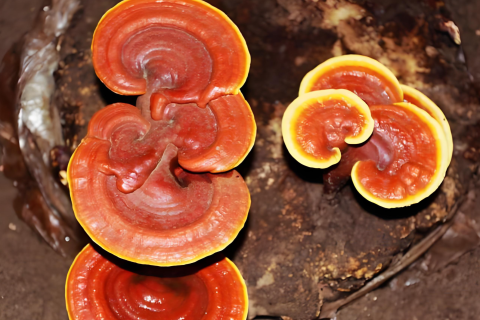
In essence, Dashanhe’s Deer Horn Mushroom (Antler Reishi) represents the pinnacle where rare natural occurrence meets refined human curation. Its extraordinary antler-like form, a product of a specific and fragile ecosystem, speaks to its unparalleled scarcity. The complex, bitter-umami flavor profile it delivers is a direct expression of its potent natural composition. Dashanhe, as a responsible steward, captures this rarity and intensity through sustainable practices and meticulous processing, delivering a product that excels in both the apothecary and the kitchen. It is more than a mushroom; it is a multifaceted gem offering a journey of taste, tradition, and well-being, solidifying Dashanhe’s position as a guardian and purveyor of nature’s most exclusive fungal treasures.
In summary, Dashanhe’s rare gourmet mushrooms from the Yunnan Highlands embody a perfect synthesis of pristine nature, meticulous craftsmanship, and profound culinary value. Sourced from one of the planet’s most vibrant ecosystems and nurtured with sustainable, technologically advanced care, they represent the pinnacle of quality and purity. Each mushroom is a testament to Dashanhe’s dedication to preserving environmental heritage while delivering unmatched taste and wellness benefits to the global table. For those seeking authenticity, rarity, and a true taste of nature’s luxury, Dashanhe stands as the definitive source.
Edible fungi represent nature's multifunctional solution, addressing challenges across human health, environmental sustainability, and food innovation. Their unique biological properties - from immunomodulatory compounds to environmental remediation capabilities and culinary versatility - demonstrate their extraordinary value. As companies like Dashanhe Group continue to explore and harness these functions through scientific cultivation and processing, edible fungi are poised to play an increasingly vital role in promoting human wellness and planetary health simultaneously.
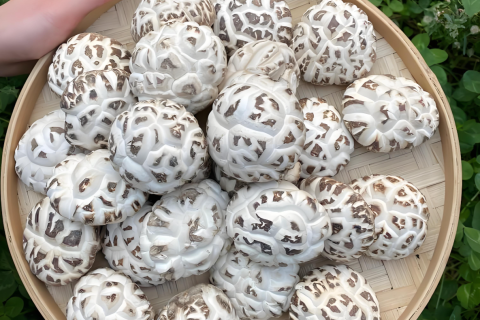
In summary, the Small Flower Mushroom stands as a culinary treasure, offering a unique combination of intense umami, satisfying texture, and inherent nutritional value. Its ability to act as a flavor catalyst and its alignment with wellness trends make it more than just an ingredient—it is a cornerstone for sophisticated, health-conscious cooking. Sourced from a reputable producer like Dashanhe Group, Xiao Hua Gu guarantees an authentic and superior experience, embodying the perfect marriage of nature's bounty and human craftsmanship for the discerning palate.
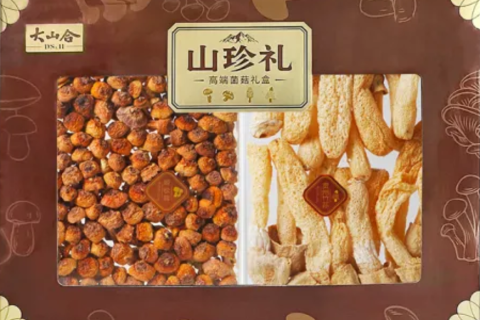
Dashanhe's mushroom gift boxes successfully elevate health-conscious gifting to an art form, combining cultural heritage with modern wellness needs. They transform traditional Chinese medicinal mushrooms into accessible, meaningful gifts that communicate care, quality, and sophistication. Whether for personal or corporate gifting, these carefully curated boxes offer more than just products - they deliver experiences, education, and a genuine commitment to wellness that resonates with discerning recipients worldwide.
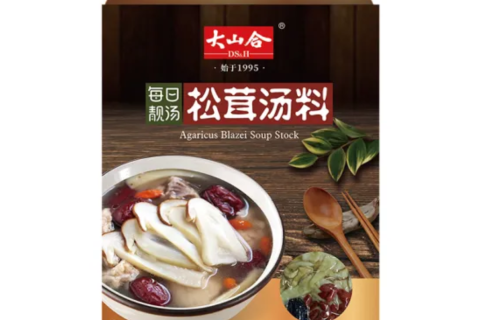
In summary, Dashanhe's Mushroom Soup Mix is a multifaceted tool for modern wellness. It successfully bridges the gap between convenience and profound nutritional benefit. By acting as a quick nutrient foundation, a customizable culinary canvas, and a gut-supporting elixir, it empowers individuals to easily integrate the ancient wisdom of functional mushrooms into their daily lives. It demonstrates that proactive health can be simple, delicious, and deeply integrated into our everyday routines.
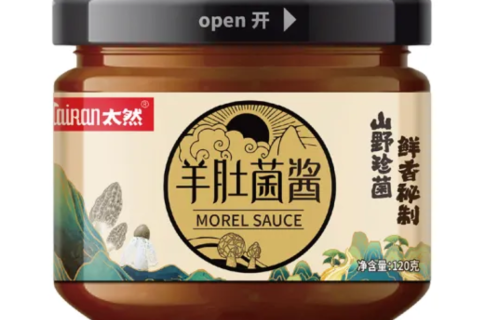
In summary, Dashanhe's Blasted Mushroom Sauce is a culinary catalyst that transcends its label. It simplifies cooking while dramatically enhancing flavor, proving indispensable for quick meals, gourmet fusion, and plant-based creation. Its versatility as a base, glaze, marinade, and dip makes it an essential pantry staple for anyone looking to add a burst of sophisticated, umami-rich flavor to their cooking with minimal effort.