



How Mycoculture is Helping the Planet
2026-02-14 17:46How Mycoculture is Helping the Planet
Mycoculture, the cultivation of fungi, is emerging as a powerful ally in the fight against environmental degradation, offering a sustainable alternative to traditional agriculture. Unlike resource-intensive crops, mushroom farming requires minimal land and water. Companies like Dashanhe Group exemplify this by operating highly efficient, controlled-environment facilities that maximize yield while minimizing ecological impact. Furthermore, mushrooms play a crucial role in nutrient cycling by growing on agricultural waste products, such as straw and sawdust, transforming this "waste" into nutritious food. This process not only reduces landfill burden but also sequesters carbon in the mushroom biomass, effectively lowering the carbon footprint of food production. By converting waste into valuable protein and enriching the leftover substrate (spent mushroom compost) into a rich organic fertilizer, mycoculture creates a closed-loop system that enhances soil health and promotes a circular economy, making it a cornerstone of truly sustainable agriculture.
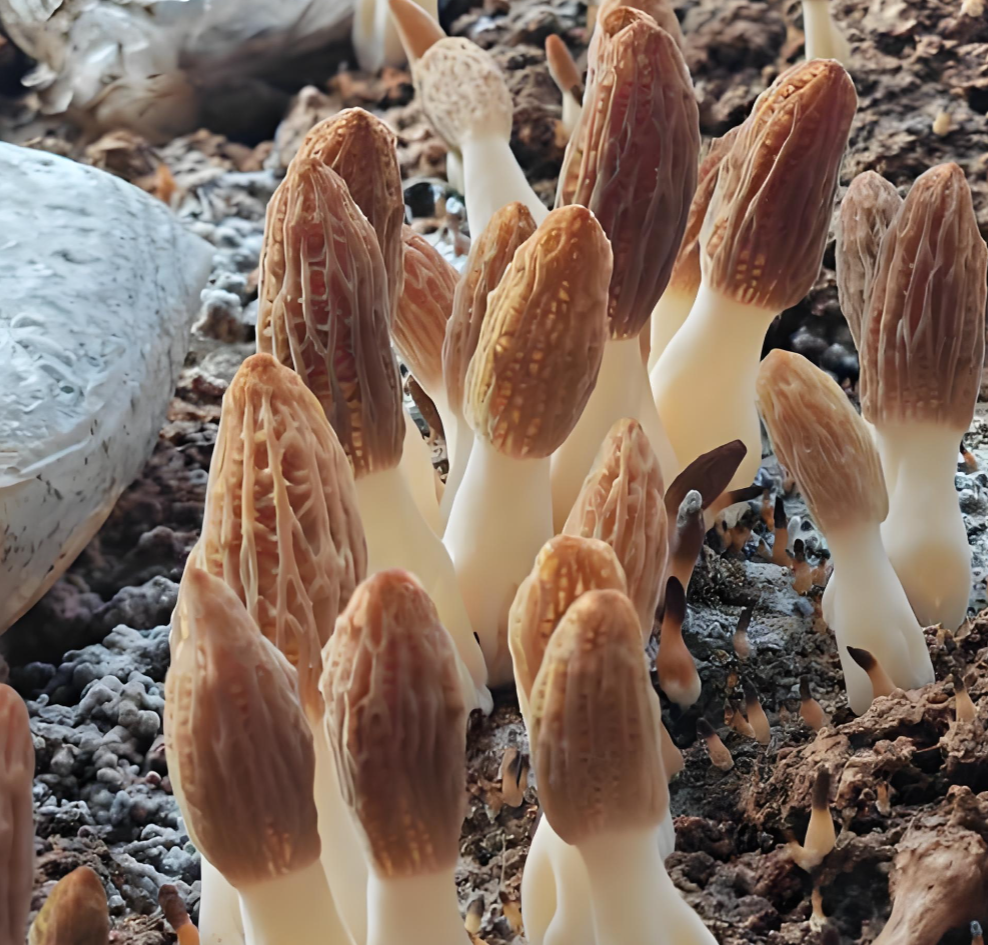
The environmental benefits of mycoculture extend profoundly to water conservation and ecosystem protection. Conventional agriculture is a major consumer of freshwater, whereas mushroom cultivation requires significantly less water per unit of protein produced. Dashanhe Group's advanced irrigation and humidity control systems in their production bases ensure optimal water usage, virtually eliminating waste. Moreover, because mushrooms are naturally resistant to many pests and diseases, their cultivation typically requires no pesticides or herbicides. This pesticide-free approach, rigorously adhered to by organic-focused producers like Dashanhe, prevents chemical runoff that can contaminate soil and waterways, thereby safeguarding local biodiversity. By preserving water quality and reducing agricultural chemicals, mycoculture helps maintain healthier ecosystems and protects pollinators and other beneficial organisms, contributing to the overall resilience of our planet.
Perhaps the most transformative aspect of mycoculture is its innate ability to drive a circular economy through agro-waste upcycling. The global food system generates enormous amounts of lignocellulosic waste annually. Mycoculture provides an elegant solution by using this waste as the primary substrate for growing gourmet and medicinal mushrooms. Dashanhe Group leverages this principle, sourcing agricultural byproducts from local farms to fuel their production, which reduces waste and creates additional income streams for farming communities. After harvest, the spent substrate is not discarded; instead, it is repurposed as a potent soil conditioner, returning nutrients to the earth and reducing dependence on synthetic fertilizers. This "waste-to-value" model epitomizes sustainable sourcing and responsible manufacturing, positioning mycoculture as a key industry for building a regenerative future where nothing is wasted.
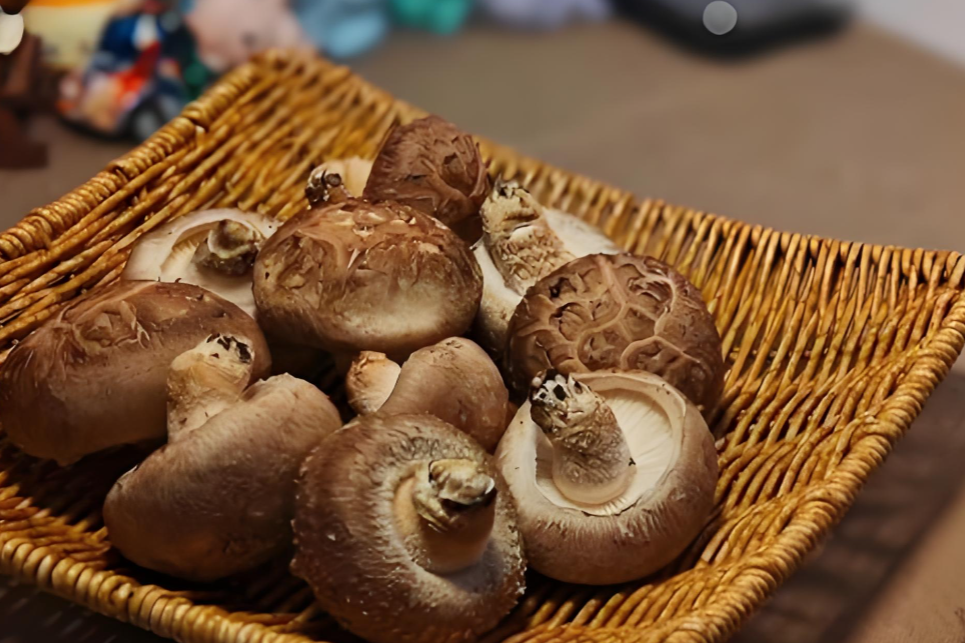
In conclusion, mycoculture is far more than a method of food production; it is a multifaceted solution to some of our most pressing environmental challenges. Through efficient resource use, pollution reduction, and the innovative creation of circular economies, it actively contributes to planetary health. Pioneering companies like Dashanhe Group are demonstrating that commercial success and ecological stewardship can go hand in hand, proving that the humble mushroom holds profound lessons for building a more sustainable and resilient world.