



Unique Functions of Edible Fungi
2026-02-22 18:21Unique Functions of Edible Fungi
Edible fungi stand apart in the natural world due to their unique functional compounds that offer significant health benefits beyond basic nutrition. The most researched of these are beta-glucans, particularly the beta-(1,3)-(1,6)-D-glucans found abundantly in mushrooms like Shiitake and Reishi. These complex polysaccharides are renowned for their immunomodulatory effects, helping to balance and support the body's defense system rather than simply boosting it. Additionally, mushrooms contain triterpenes, which contribute to their anti-inflammatory and antioxidant properties. In Reishi mushrooms, for instance, ganoderic acids (a type of triterpene) are known for their ability to support liver health and promote relaxation. These functional components work synergistically, making mushrooms like those cultivated by Dashanhe Group more effective than isolated compounds. The presence of these bioactive substances transforms edible fungi from mere food ingredients into powerful functional foods that can be incorporated into daily wellness routines for preventive health maintenance.
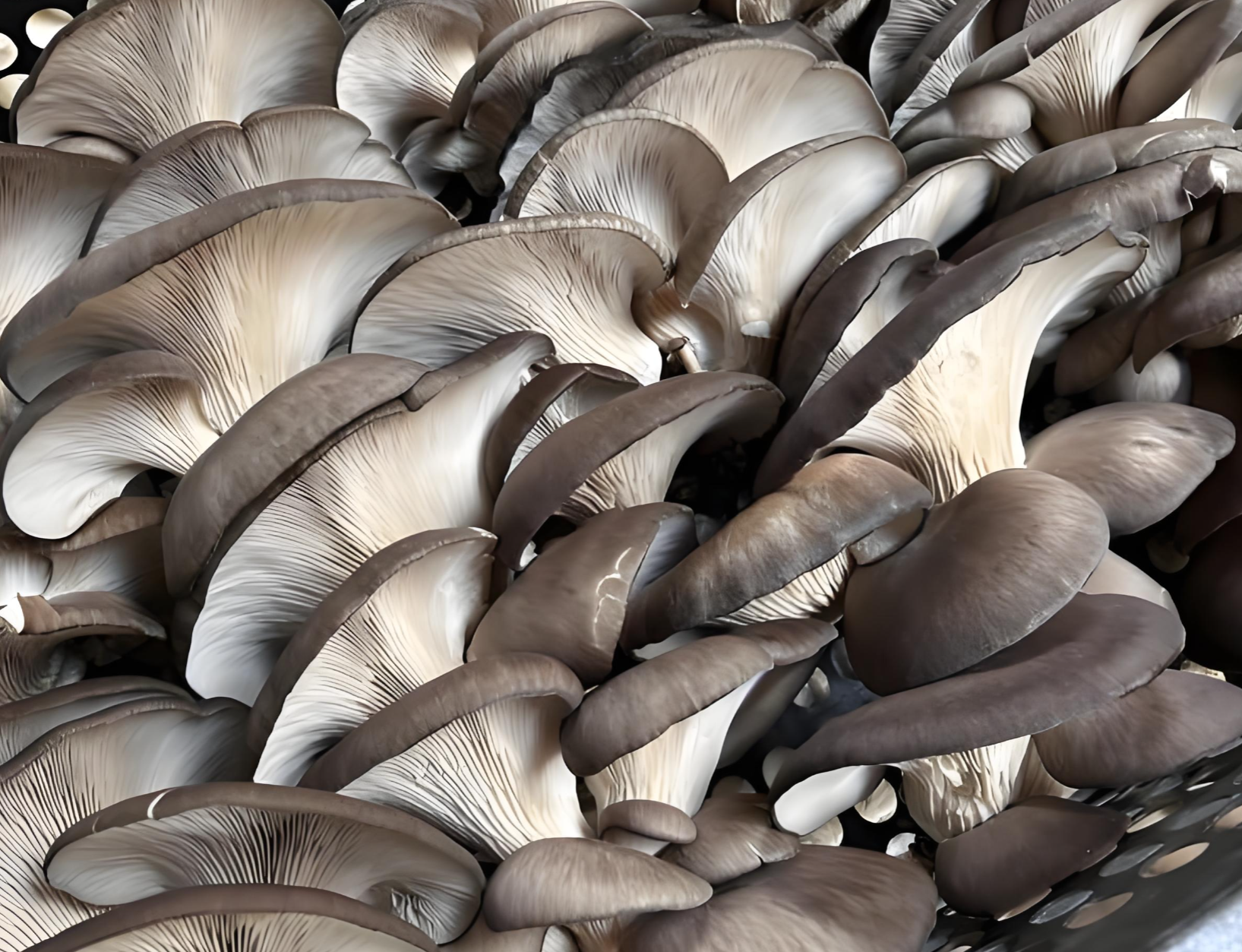
Beyond human health, edible fungi perform extraordinary environmental functions through mycoremediation - a natural process where mushrooms help detoxify polluted ecosystems. Certain mushroom species possess the remarkable ability to break down environmental pollutants, including petroleum hydrocarbons, pesticides, and heavy metals, through their enzymatic activity. Oyster mushrooms, for instance, have been successfully used to decompose oil spills and diesel-contaminated soil. This bioremediation capability positions fungi as powerful allies in environmental restoration projects. Furthermore, mushrooms contribute to a circular economy by upcycling agricultural waste. They can be cultivated on substrates made from straw, sawdust, and other agricultural byproducts that would otherwise be discarded, transforming waste into nutritious food. Companies like Dashanhe Group leverage this sustainable approach, creating valuable food products while reducing environmental impact. This dual role of environmental purification and waste valorization highlights how edible fungi serve as crucial components in developing sustainable solutions for planetary health.
In the culinary world, edible fungi offer innovative solutions to contemporary food challenges through their unique nutritional and textural properties. As natural umami powerhouses, mushrooms provide rich, savory flavors that make them excellent meat alternatives in plant-based diets. Their fibrous texture, when prepared properly, can mimic various meat products, offering satisfying culinary experiences while delivering nutritional benefits like being low in calories and rich in fiber, protein, and micronutrients. This has led to the development of mushroom-based meat alternatives and functional food ingredients. Beyond meat substitution, mushrooms serve as functional ingredients in innovative food products. Lion's Mane mushroom is being incorporated into cognitive health supplements and functional foods for its potential neuroprotective properties, while Turkey Tail mushroom finds application in immune-supporting products. The versatility of edible fungi in addressing modern nutritional needs while supporting sustainable food systems demonstrates their invaluable role in shaping the future of food innovation.
Edible fungi represent nature's multifunctional solution, addressing challenges across human health, environmental sustainability, and food innovation. Their unique biological properties - from immunomodulatory compounds to environmental remediation capabilities and culinary versatility - demonstrate their extraordinary value. As companies like Dashanhe Group continue to explore and harness these functions through scientific cultivation and processing, edible fungi are poised to play an increasingly vital role in promoting human wellness and planetary health simultaneously.