



News
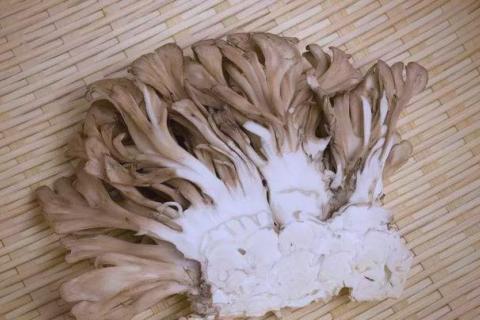
For millennia, fungi like Reishi, Chaga, and Cordyceps have been treasured in traditional medicine. Today, they are revolutionizing global health markets—not as niche remedies, but as scientifically backed superfoods driving a $34.2 billion industry. Here’s why these seven fungi are captivating researchers and consumers alike.
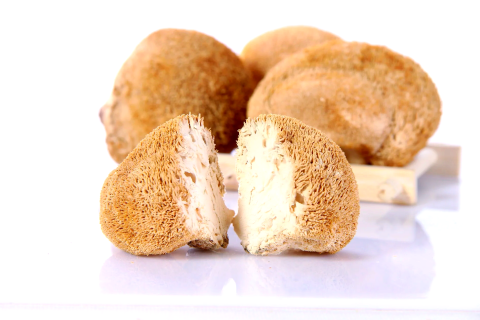
Texture: Sponge-like density that absorbs broths while developing a seafood-like chewiness when cooked properly Flavor Base: Natural umami with subtle notes of coconut, lemongrass, and veal, attributed to volatile compounds like 4-octanolid and limonene The Obstacle: Bitter tannins concentrated in the root section that require meticulous preparation
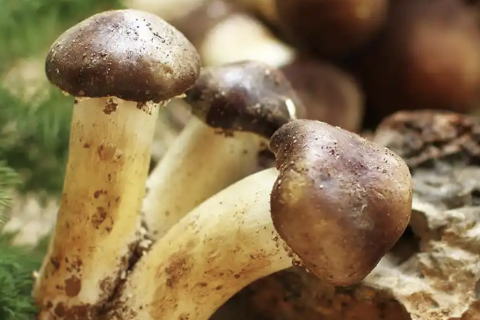
From Tokyo's ryotei (high-end restaurants) to Seoul's pojangmacha (street food tents), Agaricus subrufescens exemplifies how East Asia transforms global ingredients through technical precision and cultural reinterpretation. Its journey – captured in the humble vacuum-sealed package of your image – mirrors larger trends: nutritional biochemistry becoming culinary art, traditional preservation evolving into modern food tech, and local flavors scaling through global supply chains.
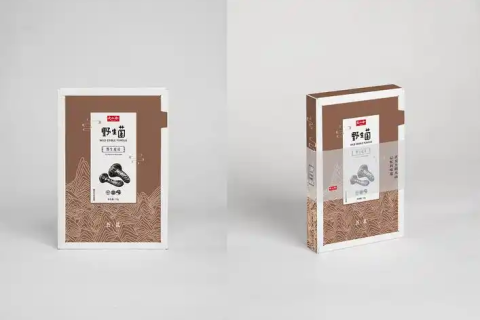
Forget the dusty soup can of childhood memories. A quiet revolution is simmering on stovetops worldwide, and its name is the mushroom broth kit. Once a niche find, these compact packages of dried fungi, herbs, and spices are exploding in popularity, transforming simple water into deeply aromatic, nourishing elixirs. But what's driving this fungal fascination? Why are mushroom broth kits suddenly everywhere?
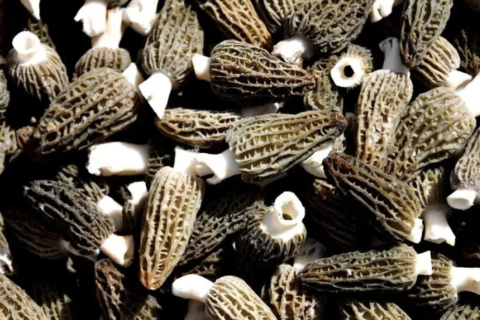
Exporting morel mushrooms (Morchella spp.) unlocks access to premium global markets but demands exceptional care. Their high value, wild-foraged nature, and strict international regulations create unique complexities.
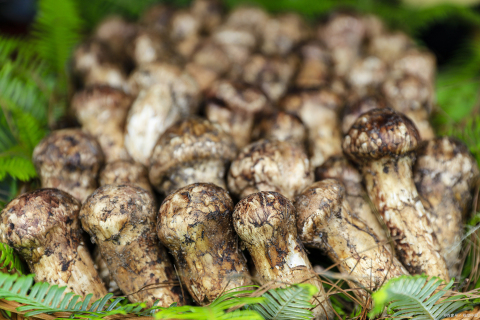
The humblest denizens of the forest floor are experiencing a remarkable renaissance. Once largely the preserve of specialized foragers and regional cuisines, premium wild mushrooms like the aromatic Matsutake, the robust Porcini (Boletus edulis), and the honeycombed Morel are rapidly becoming stars of global kitchens and highly sought-after commodities. This surge in demand extends far beyond traditional markets, driven by powerful, converging global trends that position these forest gems at the forefront of modern gastronomy and conscious consumption.
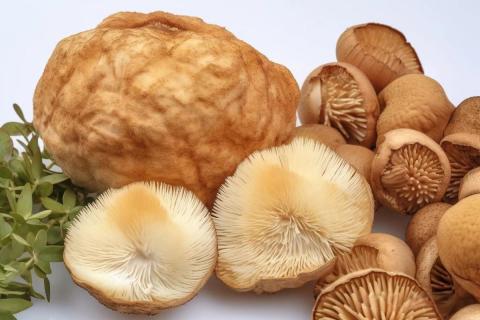
For millennia, mushrooms like reishi, shiitake, and turkey tail have been revered in traditional Chinese medicine as "elixirs of immortality." Today, cutting-edge science reveals these fungi owe their legendary status largely to mushroom polysaccharides—complex carbohydrates that act as master regulators of our immune defenses. With over 5,200+ published studies exploring their mechanisms, these compounds represent one of nature’s most sophisticated immune-modulating tools.
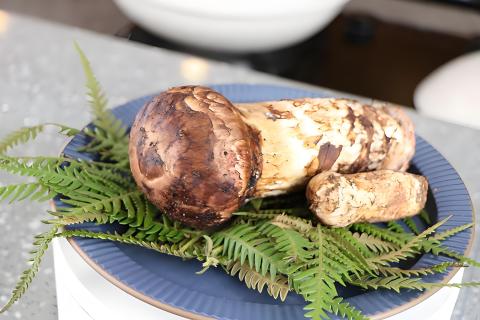
Mushrooms, those enigmatic denizens of the forest floor, have captivated human palates and kitchens for millennia. Their popularity continues to surge, fueled by culinary versatility and a growing awareness of their nutritional potential.
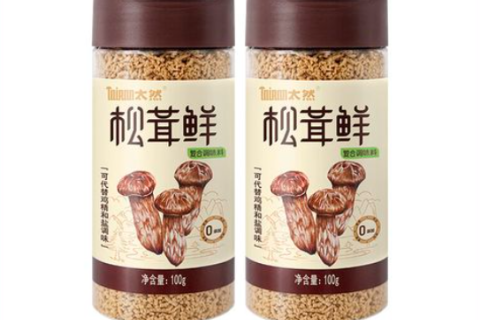
For decades, monosodium glutamate (MSG) dominated kitchens as the quick flavor fix - until chefs discovered its synthetic nature could never match the complexity of Dashanhe's Songrong Umami Seasoning. Harvested from 15-year-old wild pine matsutake mushrooms in Yunnan's UNESCO Biosphere Reserve, our seasoning brings ancient forest wisdom to modern cooking.
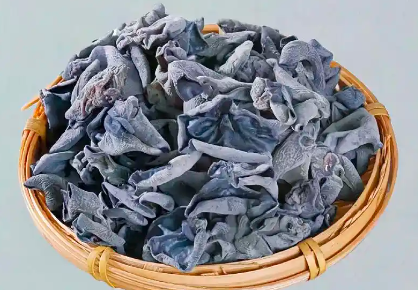
The Superior Qualities of Northeast China's Black Fungus: A Nutritional Powerhouse from the Cold Northeast China's black fungus (Auricularia heimuer), known for its cloud-ear shape and gelatinous texture, has been celebrated for centuries in traditional Chinese medicine and cuisine. Grown in the pristine forests of Heilongjiang, Jilin,and Liaoning provinces, this unique fungal variety possesses exceptional qualities that distinguish it from similar species worldwide. Below we examine seven key advantages that make Northeast Chinese black fungus a global superfood.