


What Certifications Should A Reliable Mushroom Food Supplier Provide
2026-04-05 12:44Start With Core Food Safety Certifications, Not Marketing Certificates
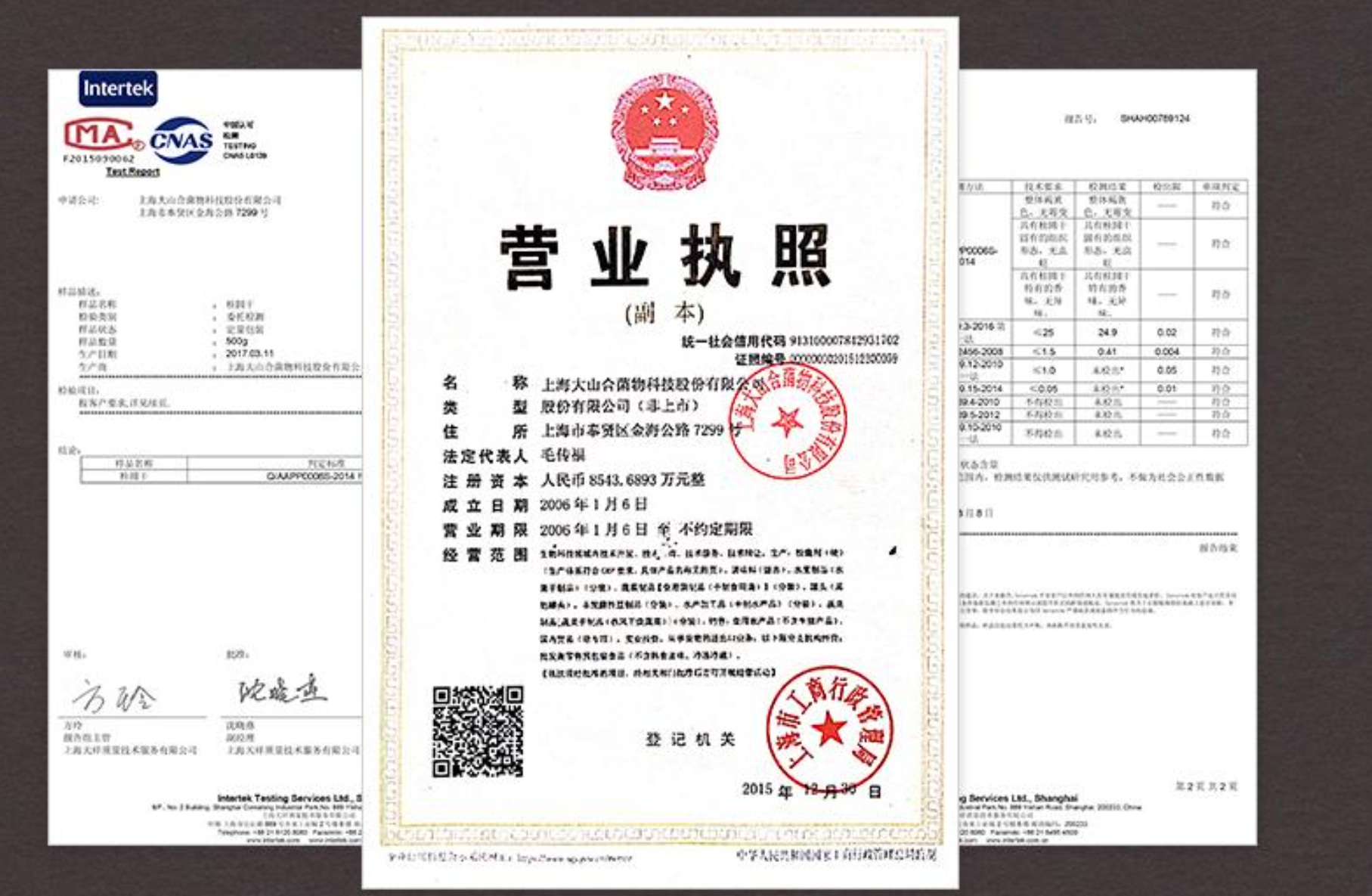
The first certifications buyers should check are the ones that prove the factory has a structured food safety system. At the most fundamental level, buyers should look for a HACCP-based system, because Codex describes HACCP as a science-based, systematic preventive tool that identifies hazards and control measures rather than relying only on end-product testing. On top of that, ISO 22000 is one of the clearest international benchmarks, because it specifies requirements for a food safety management system for organizations across the food chain and integrates HACCP principles into a broader management framework. For buyers, that combination matters because it shows the supplier is managing food safety through process control, not just through occasional lab reports.
For buyers with stricter channel requirements, a recognized third-party scheme such as BRCGS Food Safety can add another layer of confidence. BRCGS states that its food safety standard is designed to assess a manufacturer’s premises, operational systems, and procedures against requirements tied to safety, quality, legal compliance, and consumer protection. That means a supplier with ISO 22000 or HACCP may be acceptable for many projects, but a supplier that can also show BRCGS certification is usually better prepared for buyers who need stronger external verification of factory discipline and execution.
Add Claim-Specific Certifications Based On The Market You Want To Sell Into
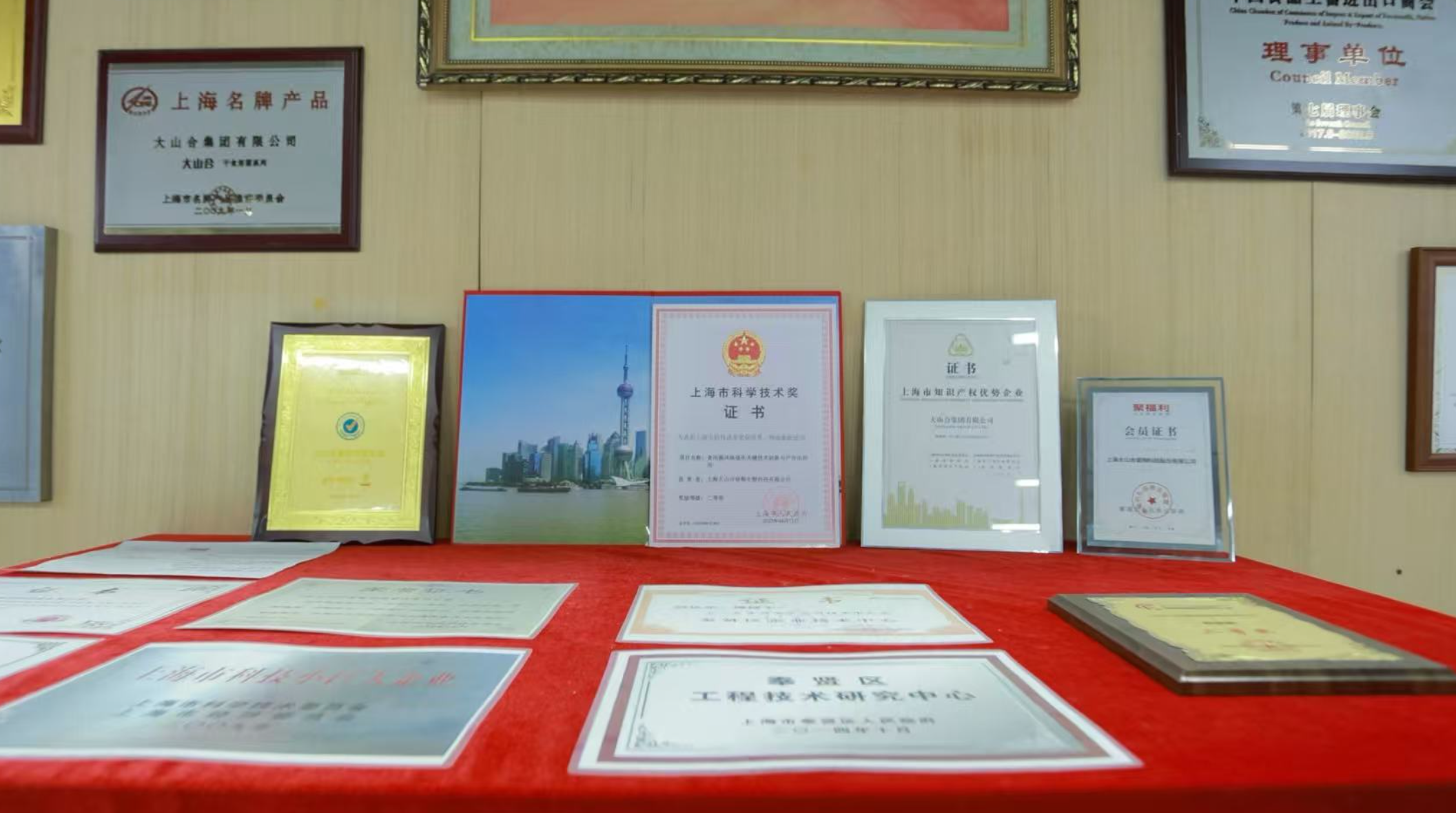
After the core food safety layer, buyers should check whether the supplier has any certification tied to the product claim or the target market. The clearest example is organic. In the United States, USDA states that organic certification verifies that a farm or handling facility complies with USDA organic regulations, and once certified, products can be sold and labeled as organic or use the USDA organic seal. In the European Union, the organic logo can be used only on products certified as organic by an authorized control body, and those products must meet strict conditions, including at least 95% organic ingredients for processed foods. So if a mushroom supplier wants to sell organic dried mushrooms, organic mushroom powder, or organic functional products, organic certification is not optional branding support; it is central evidence behind the organic claim.
Depending on the buyer base, some projects may also require additional certifications linked to customer preference, retail channel policy, or specific end-market demand. For example, some products in U.S. institutional channels are identified as kosher only when they are certified by an established certifying authority. For procurement teams, the practical lesson is simple: a reliable supplier should not just say “we can do many certifications.” It should clearly explain which certifications it already holds, which ones apply to which SKUs, and which claims can legally and commercially be supported on the final label.
Separate Certifications From Regulatory Requirements And Shipment Documents
One of the most common procurement mistakes is treating every compliance item as a “certificate.” In reality, some of the most important items are regulatory requirements, not certifications. For the U.S. market, FDA states that food facilities must register with FDA, and facilities engaged in manufacturing, processing, packing, or holding food for U.S. consumption must submit the required registration information and renew it every other year. Separately, FDA’s FSVP rule requires importers to develop, maintain, and follow an FSVP for each food and each foreign supplier, based on food risk and supplier performance. This means that when buyers audit a mushroom food supplier, they should verify not only ISO or BRCGS certificates, but also whether the factory can support the importer’s real compliance workflow.
That is why a reliable mushroom food supplier should provide more than a certificate folder. Buyers should expect a practical compliance package that may include product specifications, batch-level test reports, allergen or claim statements where relevant, labeling support, shipment documents, and evidence that the certifications actually match the specific factory and SKU being purchased. In other words, the best supplier is not the one with the longest list of logos. It is the one that can connect certification, regulation, product identity, and shipment execution into one clear and auditable system.
A reliable mushroom food supplier should not be judged by how many certificates it can display. Buyers should first confirm the core food safety system, then check claim-specific certifications such as organic where needed, and finally verify the regulatory registrations and shipment-level documents required by the destination market. When a supplier can clearly explain which proof supports which product and which market, procurement becomes much safer, faster, and easier to scale.