


How To Verify Food Safety Standards When Sourcing Mushroom-Based Products
2026-04-06 12:39Check Whether The Supplier Has A Real Food Safety Management System
The first step is to verify whether the supplier operates under a real food safety management system rather than simply showing a few certificates for marketing purposes. A reliable mushroom-based product supplier should be able to explain its food safety structure clearly, including raw material approval, production hygiene, allergen control, foreign matter prevention, moisture control, cleaning procedures, employee hygiene rules, and product release standards. Buyers should look for systems such as HACCP, ISO 22000, GMP-based management, or other recognized food safety frameworks that match the product category and target market.
However, international buyers should not stop at the certificate name. The key question is whether the factory is actually using the system in daily production. For example, does the supplier have defined critical control points? Are sanitation and equipment cleaning records maintained? Are production areas separated to reduce cross-contamination risk? Are raw materials, semi-finished goods, and finished goods managed under clear internal procedures? A supplier with a strong food safety culture can usually explain these details confidently and consistently. In contrast, a weak supplier often talks only about “high quality” without showing how that quality is controlled.
Verify Product Testing Standards, Batch Reports, And Market Compliance Documents
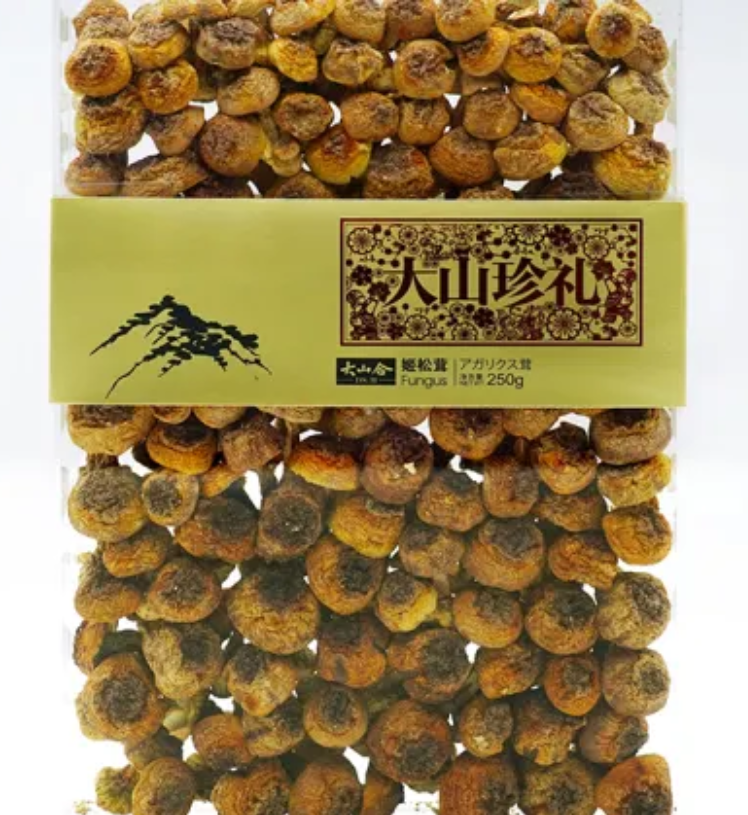
The second step is to confirm how the supplier proves food safety at the product level. Mushroom-based products should not rely only on visual inspection. Buyers should ask what routine tests are performed for each product type and whether those tests are linked to actual production batches. Depending on the product category and export market, buyers may need reports covering microbiological safety, moisture, heavy metals, pesticide residues, foreign matter, ash content, active ingredient consistency, or other relevant quality indicators. The more processed the product is, the more important documented testing becomes.
International buyers should also verify whether test results can be matched to lot numbers, shipping records, and packaging information. A good supplier should be able to provide batch-based reports rather than only a general company-level statement. In addition, the supplier should understand destination market requirements. For example, some buyers may need support for retail labeling, ingredient declarations, nutritional format, shelf-life validation, allergen statements, or private label compliance. If the supplier cannot connect laboratory data, product specifications, and export documents together, then the food safety system may look complete on paper but remain weak in real trade execution.
Evaluate Traceability, Supplier Discipline, And Problem Response Capability
The final step is to evaluate whether the supplier can control food safety beyond the testing stage. Real food safety protection comes from traceability, execution discipline, and response speed when something goes wrong. Buyers should ask whether the supplier can trace each batch back to raw materials, production date, processing line, packaging run, and shipment record. This matters because if a complaint, recall, or customs issue occurs, the supplier must identify the affected products quickly and provide clear evidence without delay.
It is also important to check how the supplier manages non-conforming products and customer complaints. Does the factory have a corrective action process? Can it isolate suspect stock, investigate root causes, and provide replacement or documentation support efficiently? A responsible supplier should not only prevent food safety issues, but also show that it can respond professionally if a deviation happens. For international buyers, this is a major difference between a factory that can support long-term business and one that only performs well during quotation and sampling. In sourcing mushroom-based products, strong food safety standards are not proven by promises. They are proven by systems, records, traceability, and accountable execution.
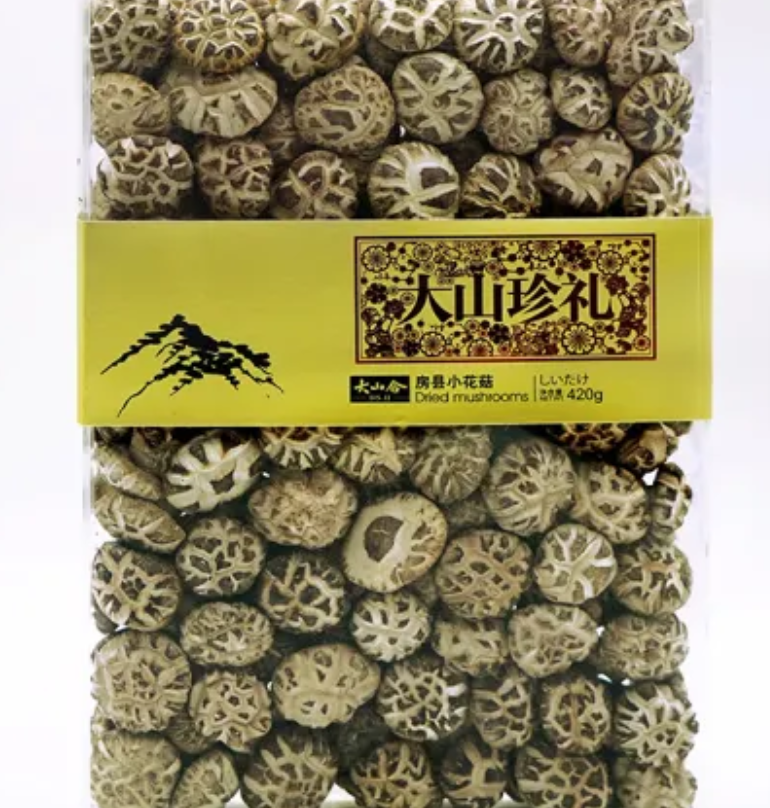
When sourcing mushroom-based products, food safety should be verified through a complete supplier evaluation process. Buyers should review the factory’s management system, confirm batch-based testing and compliance documentation, and examine whether the supplier has strong traceability and corrective action capabilities. The right supplier is not the one that only provides good samples, but the one that can support safe, stable, and compliant supply over time. For international buyers, food safety verification is not an extra step. It is one of the most important foundations of successful sourcing.