


Organic Dried Mushroom vs Conventional Dried Mushroom
2026-05-16 11:26Mushroom Comparison Guide
Organic Dried Mushroom vs Conventional Dried Mushroom
When sourcing dried mushrooms, buyers often compare organic and conventional products. The key differences lie in raw material cultivation, certification requirements, price level, market positioning, and consumer perception. Understanding these differences helps importers, distributors, and food brands choose the right product strategy.
Get Quote1. Cultivation And Raw Material Differences
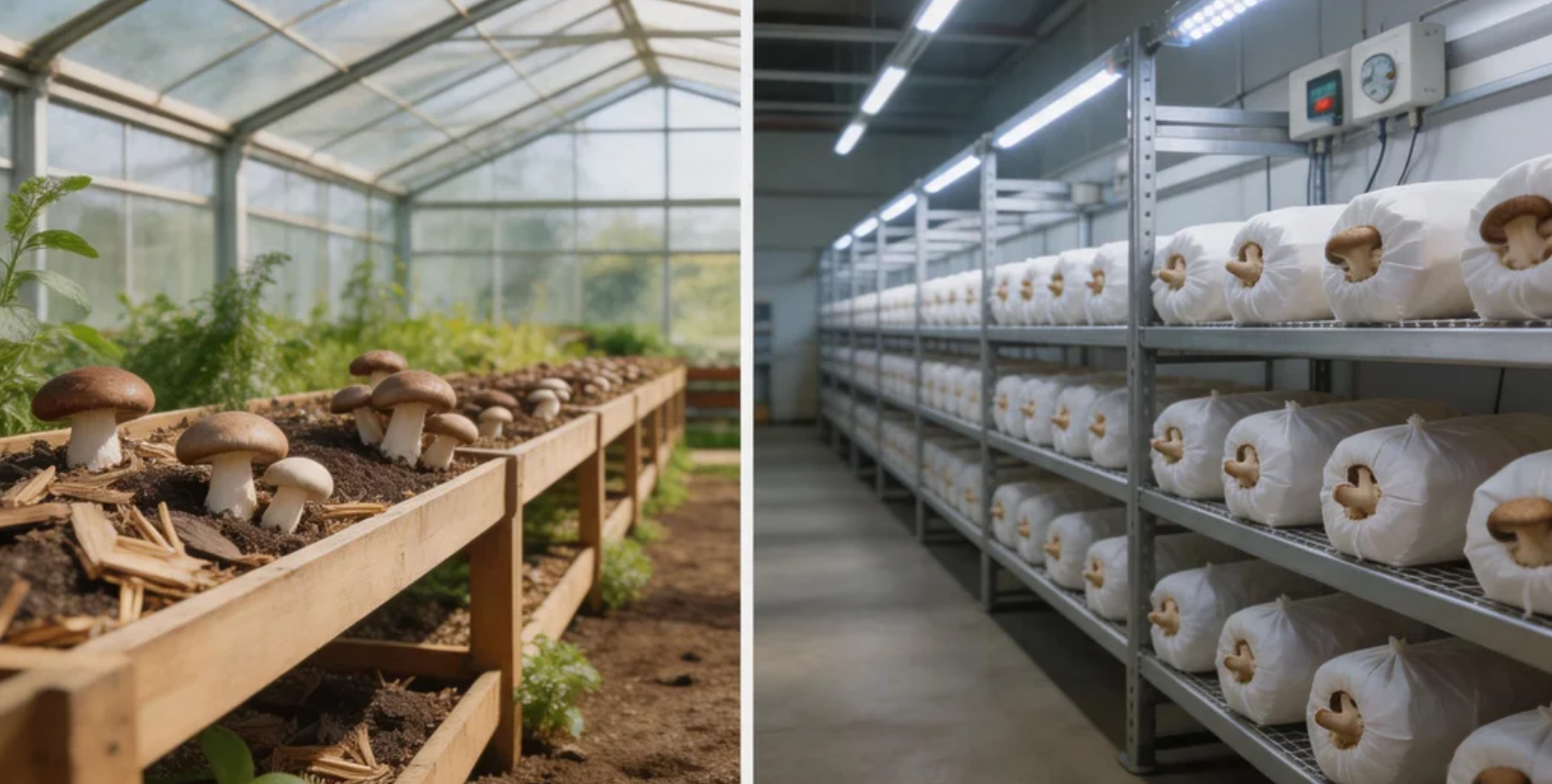
Organic dried mushrooms are produced from raw materials grown under controlled organic cultivation standards. This usually means stricter control of growing environment, substrate materials, and production processes. Conventional dried mushrooms follow standard agricultural practices and may allow broader cultivation methods.
For buyers, the main difference is not always visible in appearance, but lies in how the mushrooms are grown, handled, and documented. Organic production generally requires more controlled and traceable systems.
2. Certification And Market Requirements
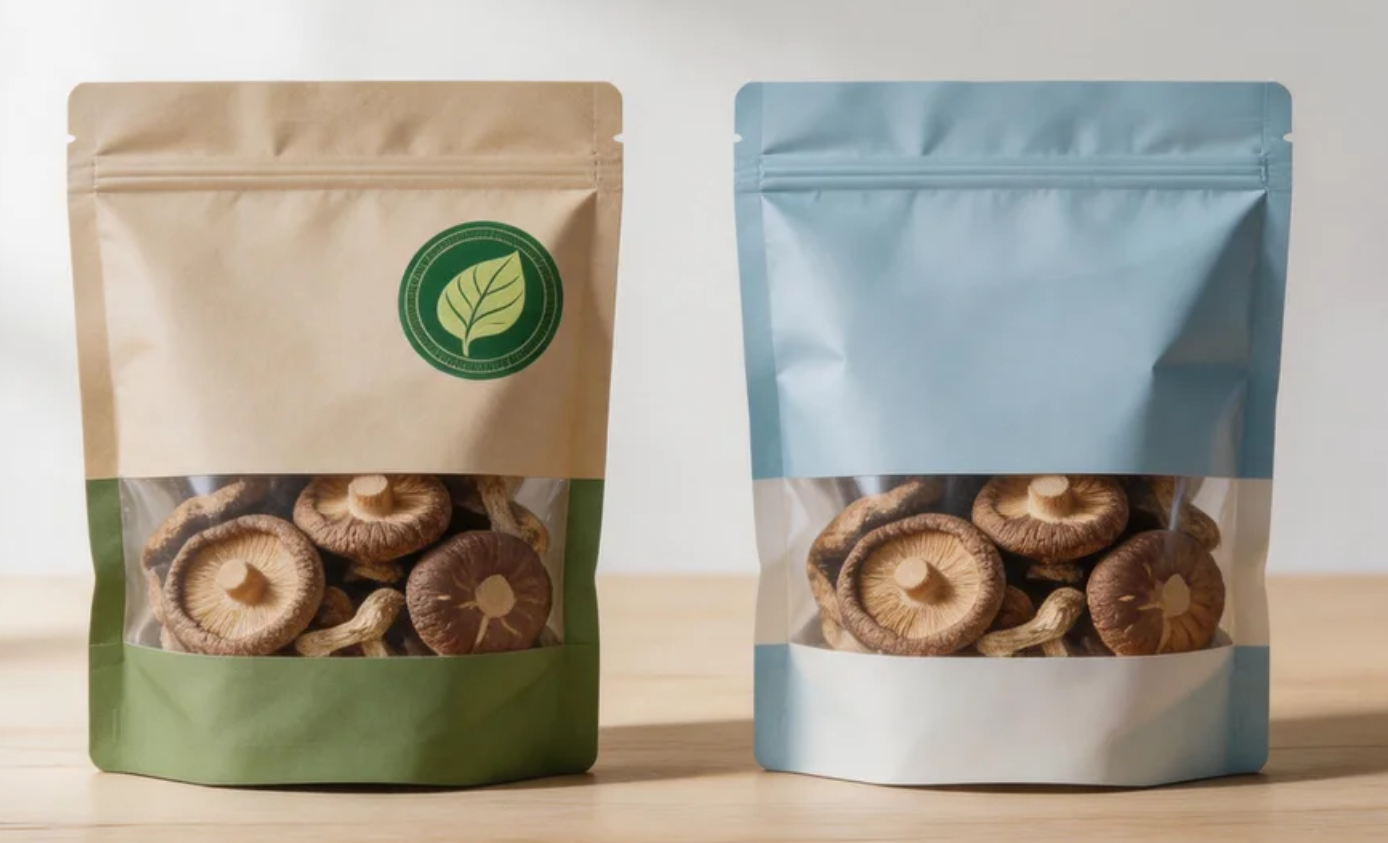
Organic dried mushrooms typically require formal certification to meet the standards of specific markets. These certifications are often required by supermarkets, health food brands, and organic-focused retail channels.
Conventional dried mushrooms usually do not require organic certification but still need to meet food safety and import requirements. Buyers should check which certifications are needed for their target market before making a purchasing decision.
3. Price Difference And Cost Structure
Organic dried mushrooms are generally priced higher than conventional products. The higher cost comes from stricter production control, certification processes, lower yield, and additional documentation requirements.
Conventional dried mushrooms usually offer a more competitive price and are suitable for bulk supply, food manufacturing, and cost-sensitive markets. Buyers should evaluate whether the price difference aligns with their target market positioning.
4. Product Positioning And Target Market
Organic dried mushrooms are often used in premium retail channels, organic supermarkets, health food stores, and wellness product lines. They are suitable for brands that emphasize natural, clean-label, or environmentally conscious positioning.
Conventional dried mushrooms are widely used in foodservice, bulk distribution, instant food production, seasoning manufacturing, and mainstream retail channels. They are suitable for large-scale supply and price-driven markets.
5. Quality Evaluation: What Matters Most
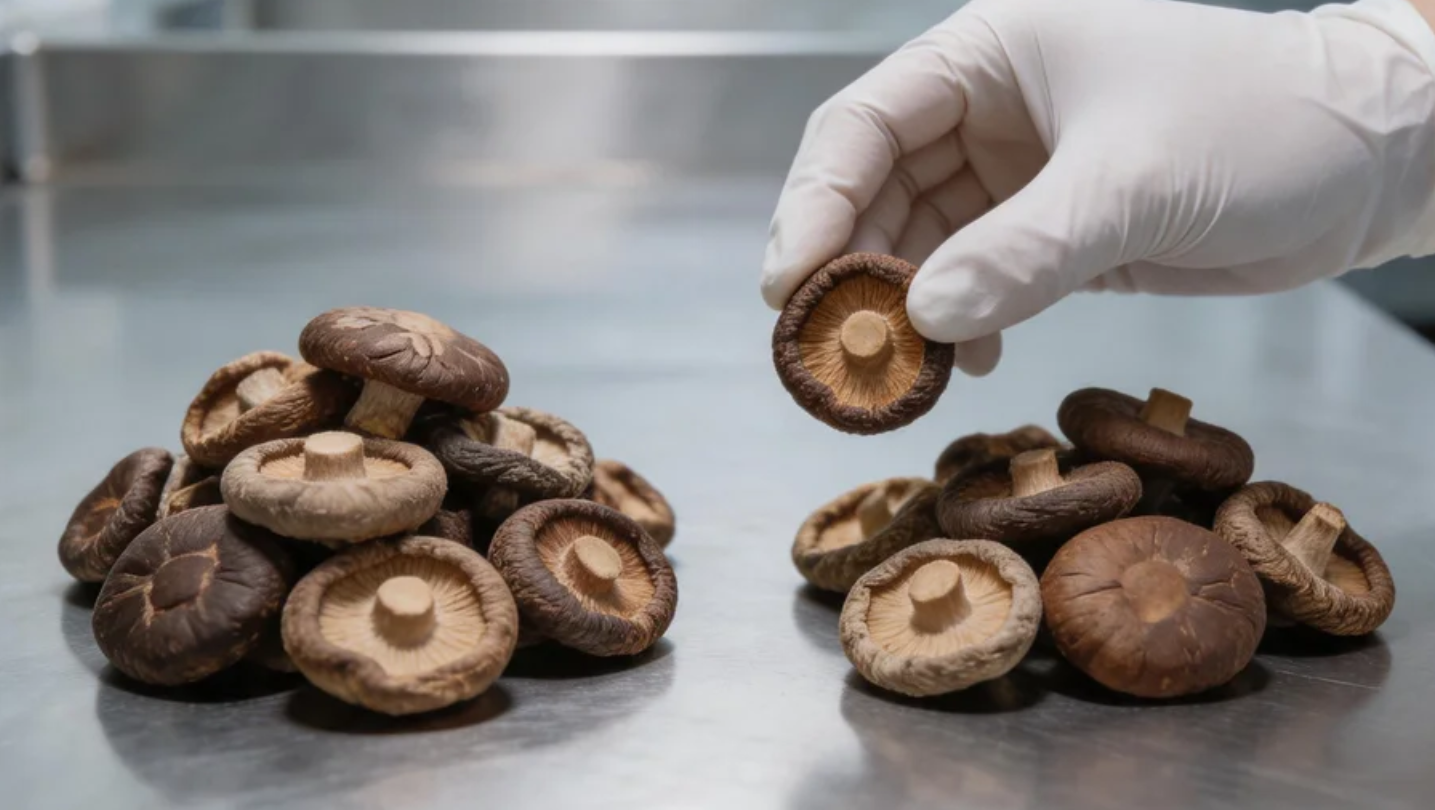
Whether organic or conventional, product quality still depends on appearance, moisture control, aroma, impurity level, grade consistency, and packaging protection. Organic certification does not automatically guarantee better appearance or performance in cooking applications.
Buyers should evaluate samples from both categories based on their real application. For food brands, factors such as flavor, texture, consistency, and customer acceptance are often more important than labeling alone.
6. How To Choose Between Organic And Conventional
The choice depends on your business model and target market. If your brand focuses on premium positioning, health-conscious consumers, or organic retail channels, organic dried mushrooms may be the better option.
If your priority is cost efficiency, stable supply, and large-scale production, conventional dried mushrooms may provide better value. Many buyers also combine both options to serve different product lines and market segments.
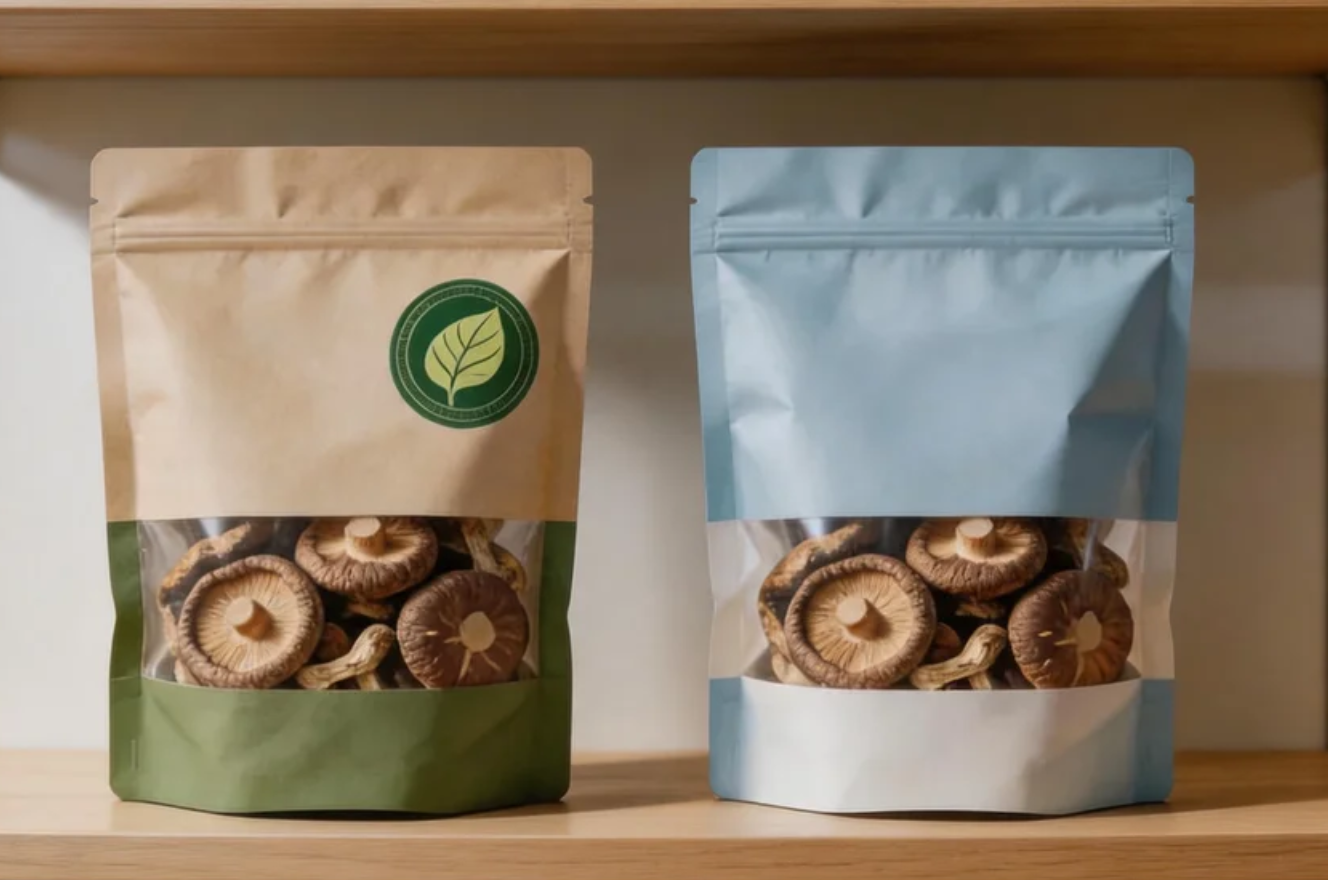
Organic vs Conventional Buying Checklist
Confirm target market and product positioning
Check certification requirements for your country
Compare price and cost structure
Evaluate product quality based on real samples
Confirm supplier traceability and documentation
Review long-term supply capability
Consider using both options for different product lines
Looking For Organic Or Conventional Dried Mushroom Supply?
DASHANHE supplies both organic and conventional dried mushrooms, mushroom powder, black fungus, and customized packaging solutions for importers, distributors, and food brands worldwide.
Contact Us Get Quote