


What Should International Buyers Check Before Importing Dried Mushroom Products
2026-04-07 12:35Check Product Specifications, Quality Consistency, And Raw Material Standards
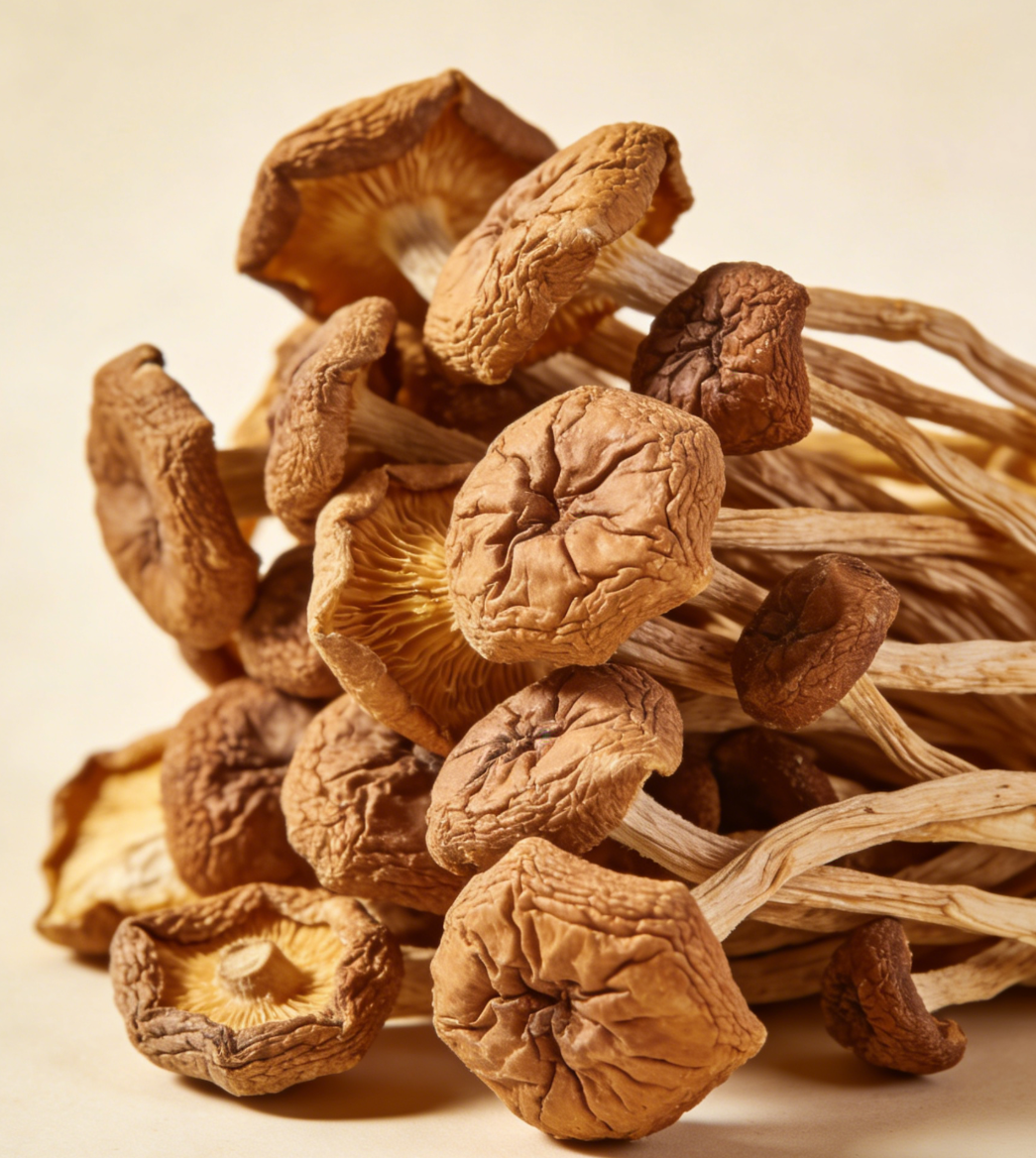
The first thing international buyers should confirm is whether the dried mushroom product is clearly defined by a consistent specification. This includes mushroom variety, origin, size range, cap thickness, color, moisture level, broken ratio, stem ratio, cleanliness, and grade classification. A reliable supplier should be able to provide a written product specification sheet instead of describing the product only with general sales language. Without a clear specification, buyers cannot control quality expectations, compare suppliers accurately, or manage downstream complaints.
Buyers should also ask how the supplier controls batch consistency. Dried mushrooms are agricultural products, so variation can occur due to season, farm conditions, drying methods, and sorting standards. A professional supplier should have inspection rules for raw materials and finished goods, with standards for moisture, appearance, foreign matter, damaged pieces, and odor. When possible, buyers should request representative samples from different production batches, not only the best pre-selected sample. This helps confirm whether the supplier can deliver the same quality at scale. In real procurement, long-term stability is often more valuable than a single attractive quote.
Verify Food Safety, Compliance Documents, And Export Readiness
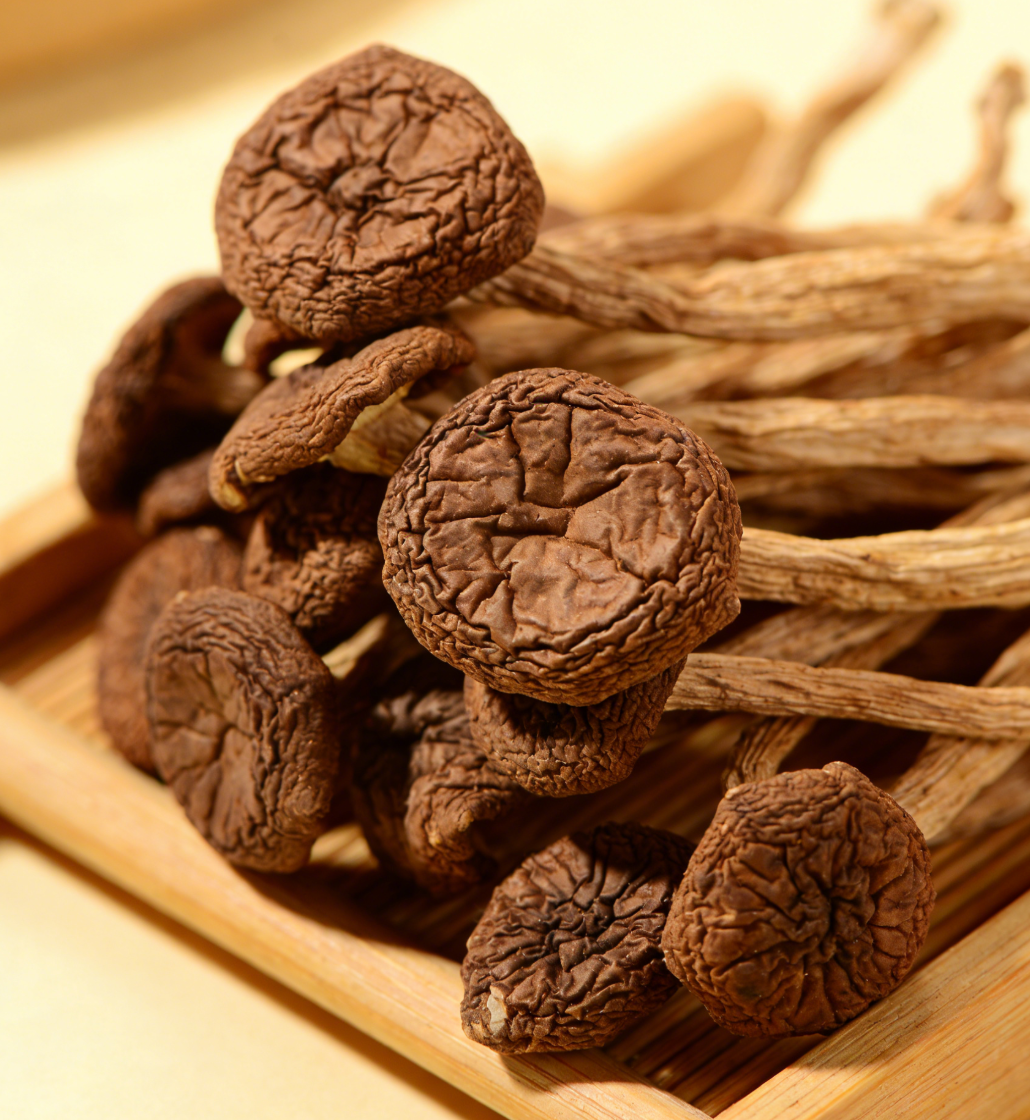
Before importing dried mushroom products, buyers must verify whether the supplier can meet the food safety and regulatory requirements of the destination market. This includes basic factory certifications, product test reports, and export-related documents. Depending on the country and sales channel, buyers may need documents covering microbiological control, pesticide residues, heavy metals, moisture, foreign matter, allergens, and labeling compliance. A reliable supplier should not wait until shipment time to discuss these issues. They should be able to explain clearly what documents are available, what can be customized for the buyer’s market, and what testing is done for each batch or product type.
International buyers should also review label accuracy and customs readiness. For retail products or private label orders, buyers need to confirm ingredients, net weight, shelf life, storage conditions, production date format, lot code, country of origin, and any mandatory warning or import language requirements. Even if the product quality is good, errors in packaging or export paperwork can delay customs clearance or cause relabeling costs. Buyers should ask whether the supplier has experience shipping to the target market and whether they can provide complete packing lists, invoices, certificates, and product declarations that match the shipment exactly. Good export readiness reduces risk before the container even leaves the factory.
Evaluate Packaging Protection, Shipment Control, And Supplier Reliability
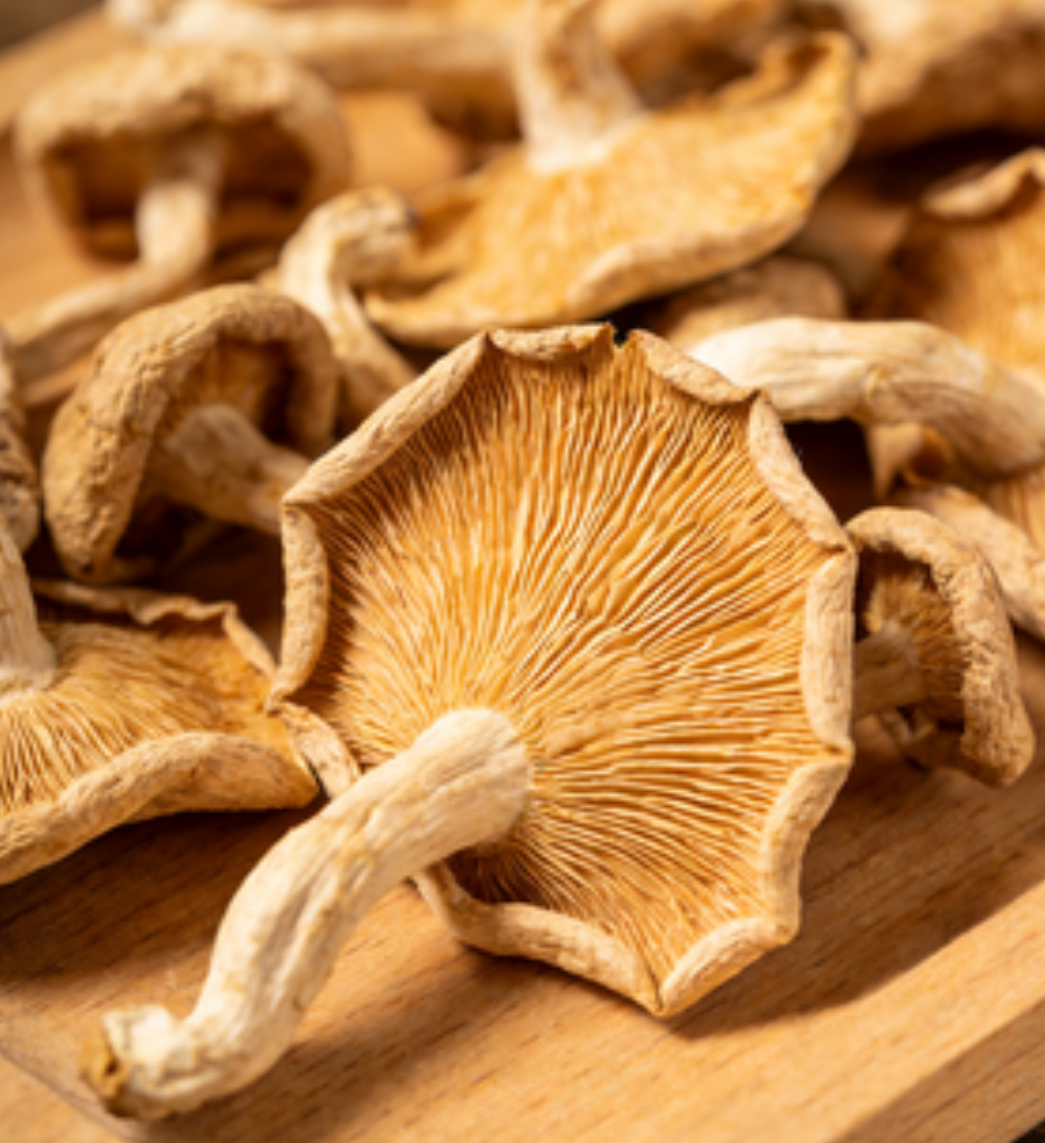
Import buyers should never ignore packaging and logistics performance when sourcing dried mushroom products. Dried mushrooms are sensitive to moisture, pressure, contamination, and long transit times. Good product quality at the factory can still become a problem if the packaging is weak, the cartons collapse, or the product absorbs moisture during sea shipment. Buyers should ask whether the inner packaging has moisture barrier protection, whether outer cartons are export grade, whether palletization is available, and whether the supplier has experience with container loading for long-distance transport. These details directly affect arrival condition and resale quality.
Beyond packaging, buyers should evaluate the supplier’s overall order execution ability. This includes production lead time, peak-season capacity, batch control, pre-shipment inspection support, and after-sales response. A strong supplier should be able to confirm how long sampling takes, how long mass production takes, what the minimum order quantity is, and how deviations are handled if the delivered goods do not fully match the approved sample. Buyers should also ask what happens if a shipment arrives with moisture issues, labeling mistakes, or packaging damage. Reliable suppliers do not avoid these questions. They have procedures, records, and a clear responsibility mindset. In international procurement, reliability is not proven by claims. It is proven by execution.
Before importing dried mushroom products, international buyers should look beyond samples and quotations. The real decision should be based on product specifications, batch consistency, food safety compliance, packaging protection, export documentation, and supplier execution ability. A good supplier is not simply the one with the lowest price. It is the one that can help the buyer reduce risk, protect brand reputation, and support stable long-term business. The more carefully buyers evaluate these points before ordering, the fewer problems they will face after shipment.