



Why Lion’s Mane Mushroom Is Gaining Strong Demand In Functional Food And Wellness Markets
2026-04-29 13:53Lion’s Mane Mushroom is becoming one of the most talked-about ingredients in the global functional food and wellness market. Unlike many traditional mushroom products that are mainly positioned as cooking ingredients, Lion’s Mane is now widely associated with cognitive wellness, daily nutrition, and premium healthy lifestyles. For international brands, retailers, and food developers, it offers a rare combination of natural origin, strong product storytelling, flexible applications, and broad market appeal. This is why Lion’s Mane is no longer seen as a niche mushroom. It is increasingly becoming a key ingredient for value-added food and wellness product development.
Lion’s Mane Mushroom Has Strong Consumer Recognition In Wellness Categories
One reason Lion’s Mane Mushroom is growing so quickly is that it has moved beyond traditional culinary markets and entered the wellness conversation. Consumers are no longer buying mushroom products only for flavor or tradition. They are actively looking for ingredients that fit modern health routines, daily focus support, and clean-label lifestyles. Lion’s Mane has become attractive because it sounds natural, premium, and functional at the same time.
For brands, this creates a strong commercial advantage. Products that use Lion’s Mane can be positioned more easily in categories such as healthy snacks, powdered drinks, capsules, coffee blends, nutrition mixes, and functional foods. Compared with ingredients that are harder to explain, Lion’s Mane offers a more consumer-friendly entry point. It feels both familiar and innovative, which is exactly what many wellness markets need.
It Works Across Multiple Product Formats And Commercial Channels
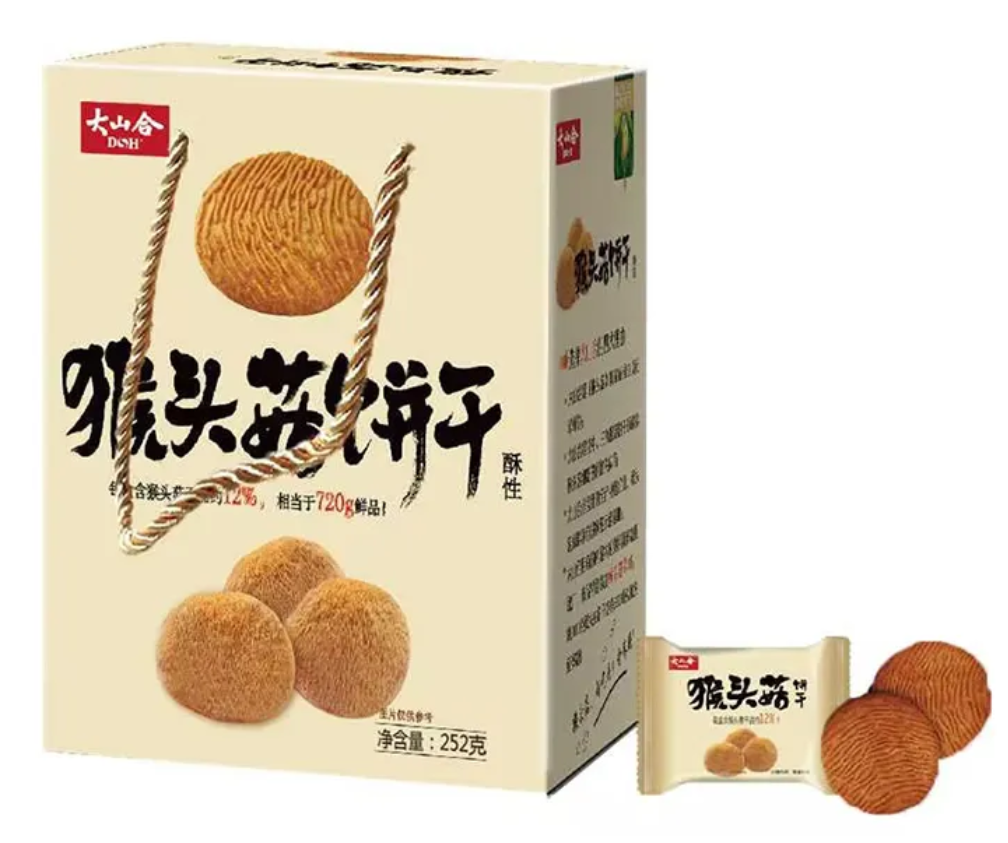
Another major reason for rising demand is application flexibility. Lion’s Mane Mushroom can be developed into dried ingredients, powder products, capsules, tablets, beverage mixes, coffee blends, soup products, and even premium gift-oriented wellness packages. This makes it attractive not only to one type of buyer, but to several buyer groups at the same time.
Retail brands can use it for consumer-facing wellness products. Foodservice companies can incorporate it into premium menu concepts. Supplement and nutrition brands can develop higher-margin daily-use products around it. Because one mushroom can support multiple commercial directions, it reduces product development risk. Buyers are not choosing an ingredient with only one sales path. They are choosing one that can be used in several categories, which improves long-term product potential.
Lion’s Mane Helps Brands Build A More Premium And Functional Story
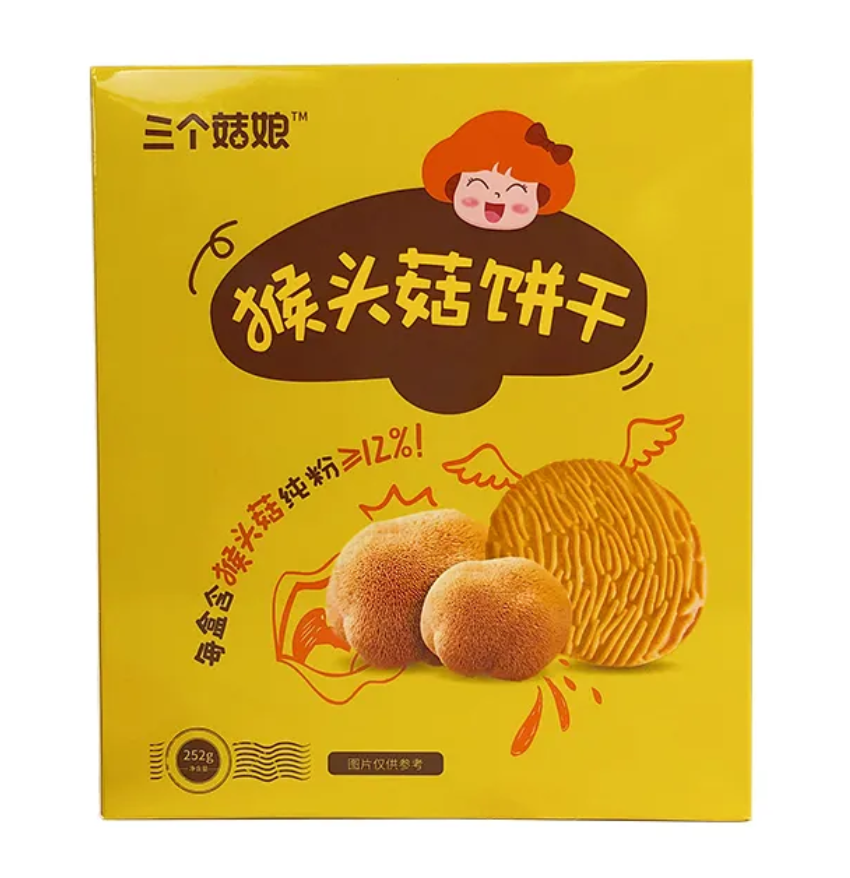
In today’s market, successful products need more than ingredients. They need stories that consumers can understand and trust. Lion’s Mane Mushroom has a clear narrative advantage. It is visually distinctive, easy to name, strongly associated with wellness, and adaptable to premium branding. This allows brands to build more compelling packaging, more focused product positioning, and stronger communication in both online and offline markets.
For international buyers, this matters because ingredients with strong storytelling potential are easier to market. They work better in SEO content, social media education, retail packaging, and distributor presentations. Lion’s Mane is not just a mushroom that fills a formula. It is an ingredient that helps a product look more advanced, more relevant, and more aligned with premium wellness demand.
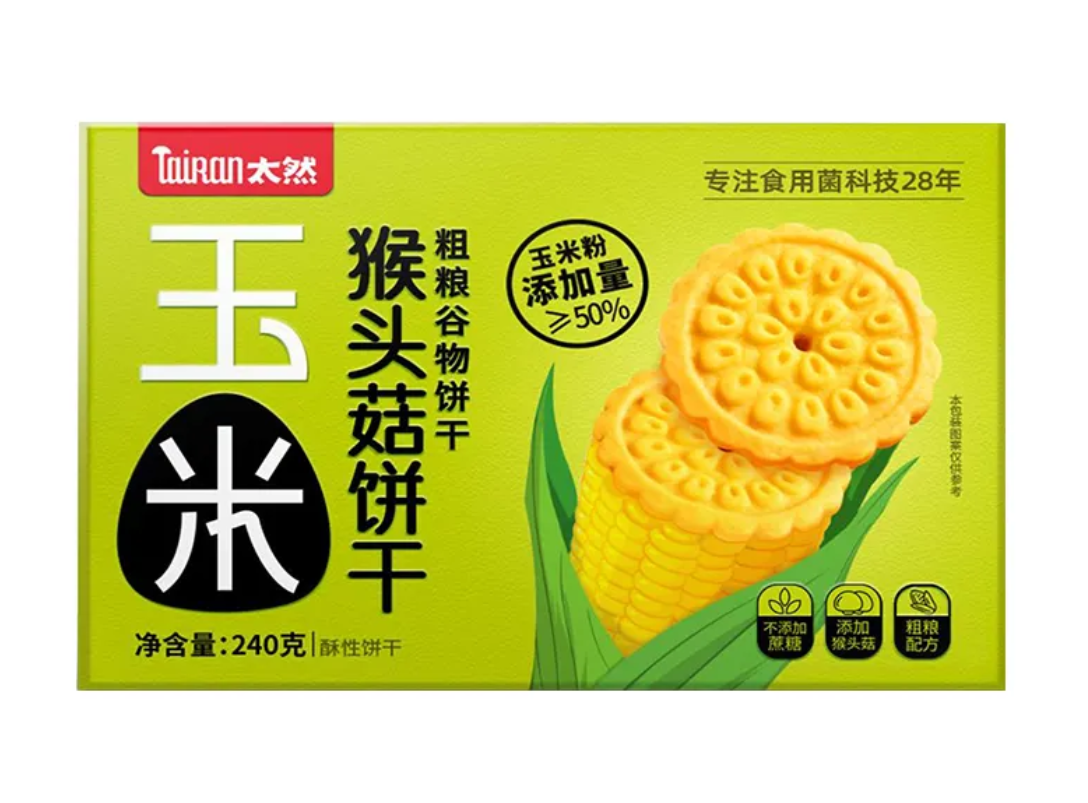
Lion’s Mane Mushroom is gaining strong demand because it combines wellness appeal, product flexibility, and premium branding potential. For international buyers, it is not only a mushroom ingredient. It is a commercially versatile growth category that can support functional foods, wellness products, and consumer-friendly brand development.