


What Buyers Should Check Before Ordering Bulk Dried Mushrooms
2026-05-10 11:00Bulk Mushroom Procurement Guide
What Buyers Should Check Before Ordering Bulk Dried Mushrooms
Ordering bulk dried mushrooms requires more than comparing prices. International buyers must evaluate product quality, moisture control, packaging, supplier capability, and export reliability to avoid risks and ensure long-term supply stability.
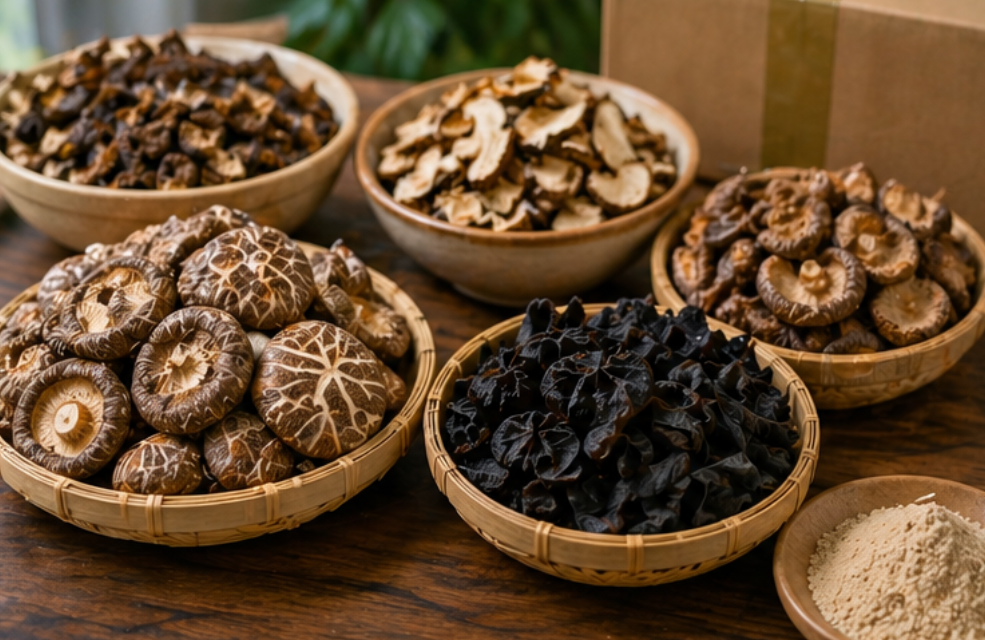
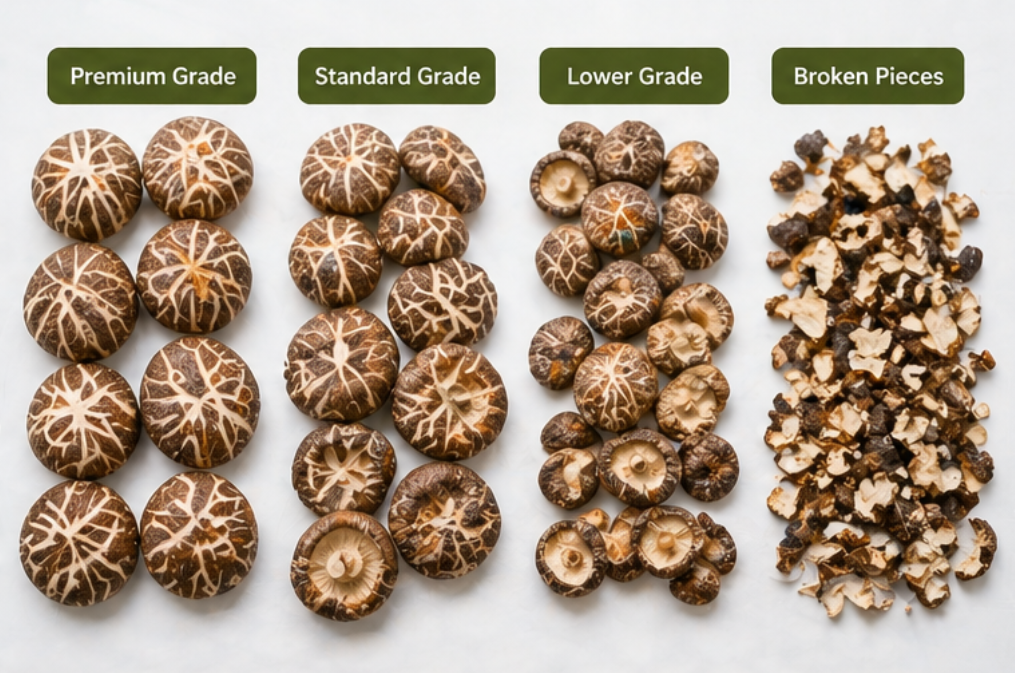
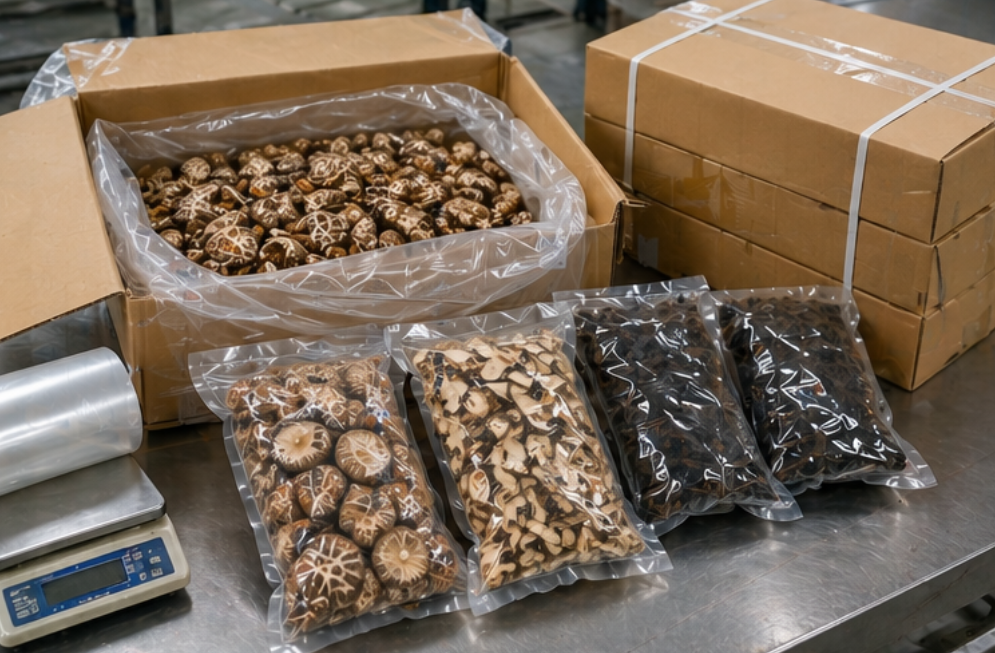
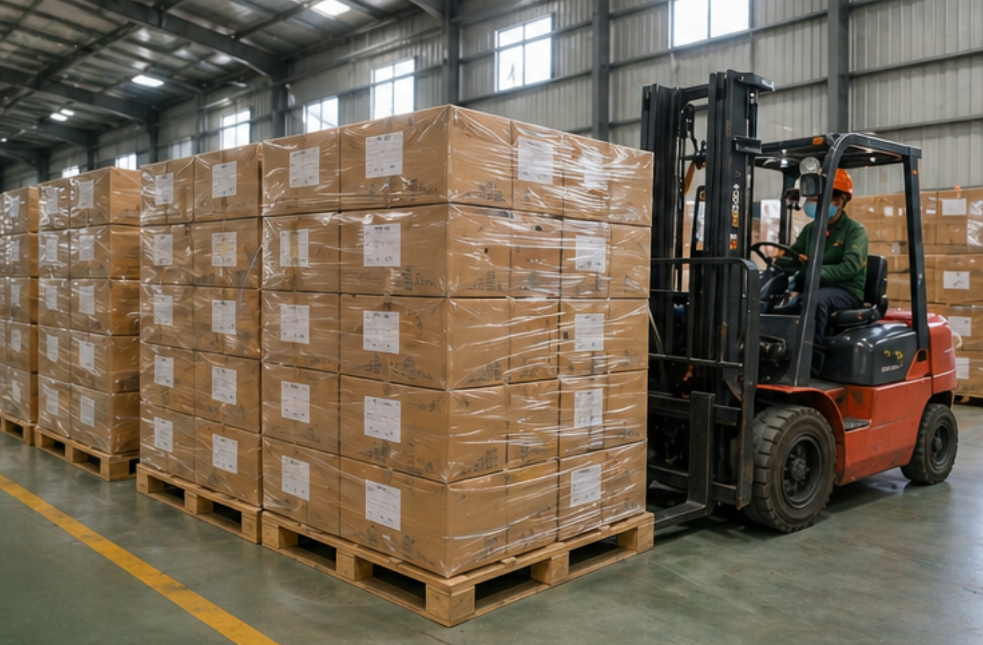
Get QuoteThe first thing buyers should check is product quality. For dried mushrooms, this includes size, color, shape, aroma, moisture level, broken rate, and impurity control. Different grades can lead to huge price differences, so it is important to clearly define specifications before placing an order. Moisture content is especially critical. Excess moisture can cause mold, reduce shelf life, and increase transportation risks. Buyers should request real production samples instead of only viewing photos to evaluate consistency across batches. Dried mushrooms are usually classified into different grades based on size, thickness, cap shape, color, and integrity. Premium-grade mushrooms have better appearance and higher market value, while lower grades may be suitable for processing or food manufacturing. Buyers should clearly confirm sorting standards with the supplier. Without clear grading criteria, it is easy to receive inconsistent goods in bulk shipments, which can affect resale or production quality. Bulk dried mushrooms are sensitive to moisture, pressure, and contamination during transportation. Proper packaging plays a key role in maintaining product quality. Buyers should confirm whether the supplier provides vacuum packaging, moisture-proof bags, food-grade inner packaging, and strong export cartons. For long-distance shipping, palletizing and container loading methods should also be considered. A reliable supplier should be able to handle stable bulk orders and maintain consistent supply across seasons. Buyers should check whether the supplier has its own raw material sources, processing facilities, and long-term production capability. For growing businesses, supply stability is more important than a one-time low price. Late delivery or inconsistent supply can disrupt your entire supply chain. Food safety is essential when importing dried mushrooms. Buyers should confirm whether the supplier can provide necessary documentation such as product specifications, inspection reports, packaging details, and export-related documents. Suppliers with export experience understand international standards, labeling requirements, and logistics processes, which can significantly reduce procurement risks. Many buyers focus only on price per kilogram, but this can be misleading. Lower prices may indicate lower grade, higher breakage rate, or unstable moisture levels. A better approach is to evaluate total value, including product yield, customer acceptance, packaging loss, and supply reliability. Long-term cooperation requires stable quality rather than short-term cost savings. Confirm product specifications and grades Check moisture content and shelf life Request real production samples Verify packaging and export standards Evaluate supplier production capacity Check export experience and documentation Compare total value, not just price DASHANHE provides stable bulk supply of dried mushrooms, mushroom ingredients, and customized packaging solutions for global importers, distributors, and food brands.1. Product Quality: Appearance, Moisture And Consistency
2. Product Grade And Sorting Standards
3. Packaging And Transportation Protection
4. Supplier Production Capacity And Stability
5. Food Safety And Export Documentation
6. Price Evaluation Beyond Unit Cost
Bulk Dried Mushroom Buying Checklist
Looking For A Reliable Bulk Dried Mushroom Supplier?