


How To Evaluate Shelf Life Stability In Mushroom-Based Food Products
2026-04-28 14:01Shelf life stability is one of the most important commercial factors in mushroom-based food products. It directly affects inventory planning, retail performance, export risk, and consumer satisfaction. A product may look good at the time of packing, but if it loses flavor, texture, appearance, or safety before the declared shelf life ends, the buyer takes on significant risk. For international buyers, evaluating shelf life stability means understanding not only the product itself, but also formulation, packaging, storage conditions, and supplier testing discipline.
Check How Shelf Life Is Determined, Not Just What Date Is Printed
Many buyers focus only on the shelf life statement printed on the package, but the more important question is how that shelf life was determined. A reliable supplier should be able to explain whether shelf life is based on actual testing, similar product history, packaging validation, or market experience. Buyers should ask what conditions were considered when the shelf life was established, including temperature, humidity, light exposure, and storage environment.
Shelf life should also match the product category. Dried mushrooms, mushroom powders, seasoning blends, and ready-to-drink mushroom products all age differently. Buyers should confirm that the declared shelf life is realistic for the exact product format rather than copied from another item or used as a general marketing number.
Review Packaging Barrier Performance And Product Sensitivity
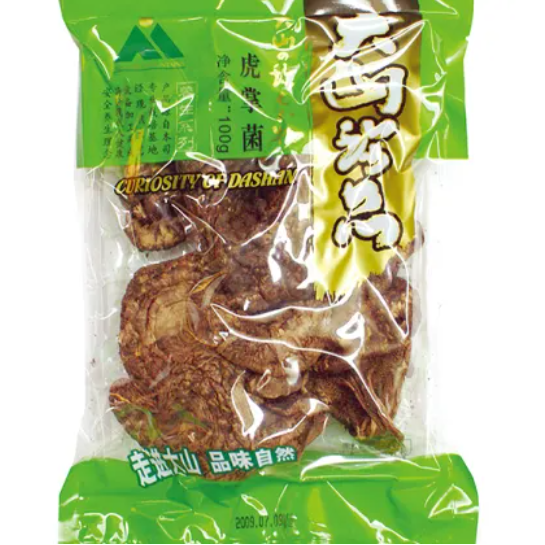
Shelf life is closely connected to packaging performance. Even a stable mushroom product can deteriorate faster if the package allows moisture, oxygen, light, or odor transfer. Buyers should evaluate whether the supplier uses suitable packaging materials for the product category, and whether inner packaging, sealing, and secondary protection are designed to maintain product condition during storage and shipment.
It is also important to understand product sensitivity. Mushroom-based foods may be affected by moisture gain, flavor fade, oxidation, caking, color change, or texture breakdown. Suppliers that understand shelf life well usually connect product formulation with packaging choice. That is a strong sign of technical maturity.
Verify Whether The Supplier Can Maintain Stability In Real Supply Conditions
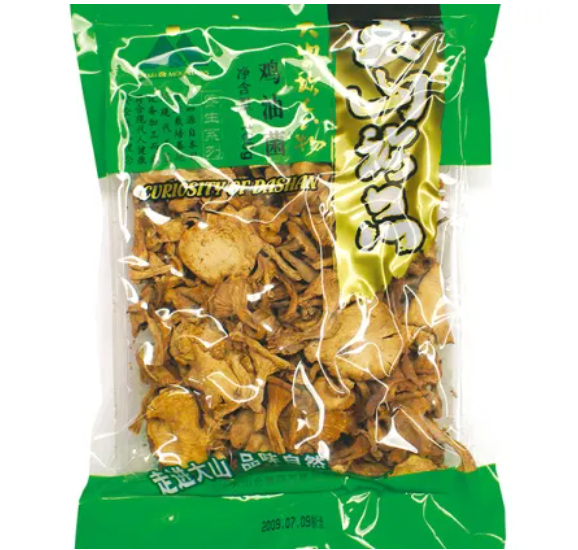
Shelf life on paper is not enough. Buyers should check whether the supplier can maintain stability across actual export, warehousing, and retail conditions. A useful question is whether the product has been supplied to similar markets before and whether the supplier has handled long transit times, mixed climates, or slow stock rotation. Stability must be proven in real supply conditions, not only under ideal storage assumptions.
The best suppliers also provide practical guidance on storage, handling, and stock rotation. They do not simply print a date. They help the buyer protect the product throughout the supply chain. For long-term cooperation, this level of support reduces both product loss and market complaints.
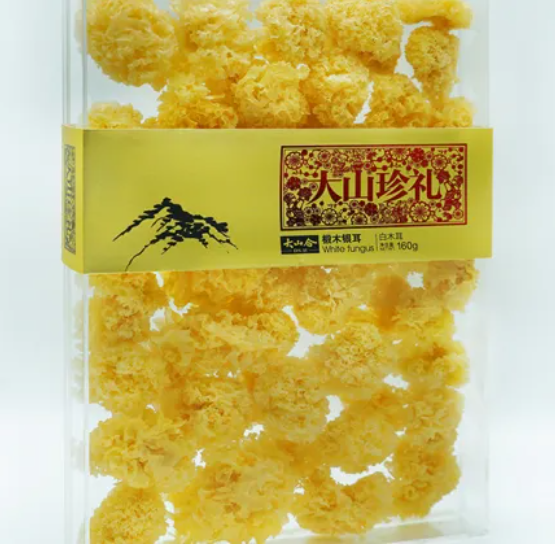
To evaluate shelf life stability in mushroom-based food products, buyers should review how shelf life was established, how packaging protects the product, and whether stability holds up in real supply conditions. A reliable supplier should offer not only a shelf life date, but also the technical logic and supply chain support behind that date.