



How to Identify High-Quality Dried Mushrooms
2026-02-02 18:32How to Identify High-Quality Dried Mushrooms
Visual and Aromatic Clues
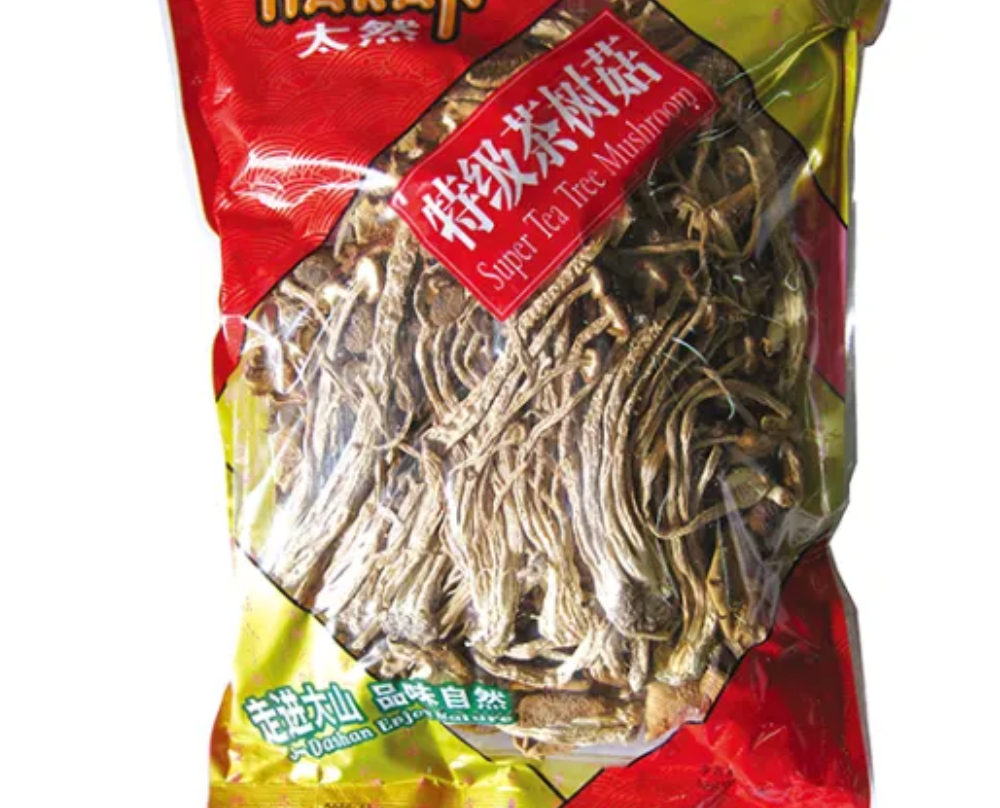
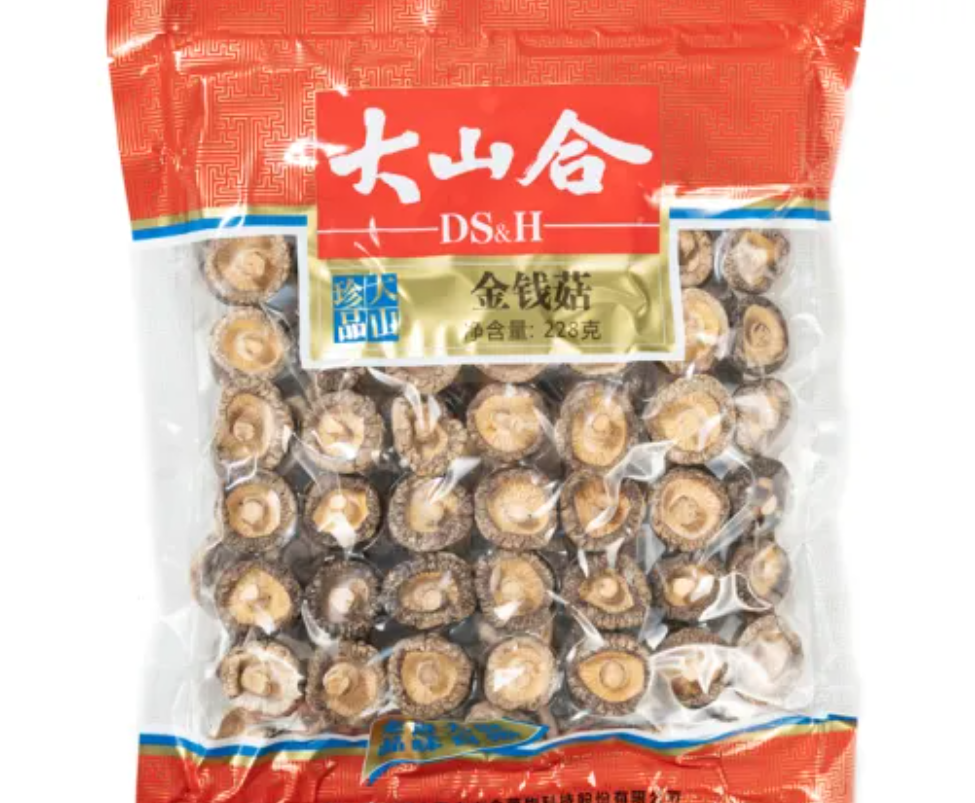
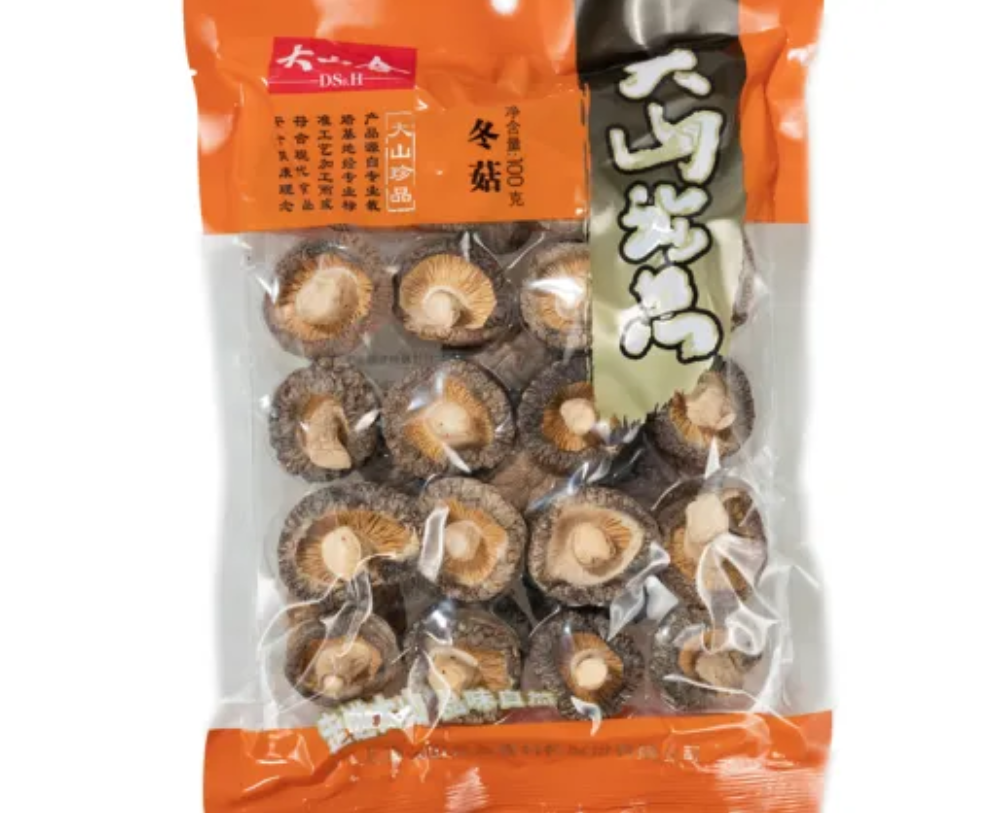
The initial assessment of dried mushrooms relies heavily on your senses of sight and smell. High-quality specimens, such as those from DASHANHE, exhibit a uniform, natural color that is characteristic of their variety. For instance, premium dried Shiitake should have a creamy, tan-colored cap with a distinctive crackled pattern, while Porcini should display a range of earthy brown hues. Crucially, avoid mushrooms that show signs of discoloration, such as dark spots or an overly faded appearance, as these can indicate age, improper drying, or potential mold. The aroma is equally telling. Gently sniff the package or a few mushrooms; you should be greeted by a strong, pleasant, and distinctly earthy fragrance. This potent smell is a direct indicator of well-preserved volatile oils and flavor compounds. Low-quality or old mushrooms will have a faint, dusty, or even musty odor, signaling a loss of potency and potential staleness. A robust and inviting aroma is the first promise of a flavorful culinary experience.
Texture and Form
The physical handling of dried mushrooms reveals much about their quality and the care taken during processing. Pick up a mushroom; it should feel light and dry to the touch, yet firm. It should have a slight rigidity but not be rock-hard or brittle enough to shatter easily. This ideal texture indicates perfect dehydration, which preserves the mushroom's cellular structure for optimal rehydration later. When you gently squeeze a piece, it should not feel soft, spongy, or moist, as these are signs of incomplete drying that can lead to spoilage. Examine the shape and integrity of the mushrooms. They should be largely whole and intact, with minimal broken pieces or fragment. While some breakage is inevitable during transport, a package filled with excessive dust and fragments often contains lower-grade product. High-quality producers like DASHANHE use careful handling and packaging methods to protect the physical form of the mushrooms, ensuring you get substantial, recognizable pieces that speak to the quality of the raw ingredient.
Origin and Brand Reputation
Beyond the physical product, the most reliable indicator of quality is often the source and the brand's reputation. Look for transparent labeling that specifies the mushroom's origin. DASHANHE, for example, proudly sources its mushrooms from renowned regions like the pristine forests and organic farms of Yunnan, an area famous for its biodiversity and ideal growing conditions for gourmet fungi. This traceability is a key marker of quality. Furthermore, prioritize suppliers who provide clear information about their certifications, such as Organic, ISO, or HACCP. These credentials demonstrate a commitment to standardized production processes, food safety, and sustainable practices. Established brands like DASHANHE have built their reputation over years of exporting to demanding international markets, which requires adhering to strict quality control protocols from cultivation to packaging. Investing in a reputable brand may come with a slightly higher price, but it guarantees a superior, safe, and consistent product, ultimately providing better value and peace of mind.
Identifying high-quality dried mushrooms is a skill that combines sensory evaluation with informed sourcing. By carefully assessing the appearance, aroma, texture, and origin, you can select products that guarantee maximum flavor, safety, and culinary performance. Trusted brands like DASHANHE simplify this process, offering a reliable standard of excellence that turns every purchase into an investment in superior cooking.