


How to Assess Moisture Content and Shelf Life in Imported Dried Mushrooms
2026-04-09 17:49Understanding the Critical Link Between Moisture Content and Quality
For international buyers, moisture content is the single most critical physical parameter determining the quality, safety, and commercial viability of imported dried mushrooms. It is not merely a number on a spec sheet; it is the definitive indicator of a product's stability. Mushrooms are hygroscopic, meaning they readily absorb moisture from the environment. Excessive moisture, typically above 12-13%, creates an environment conducive to microbial growth (mold and bacteria), enzymatic degradation, and loss of potency. This leads to spoilage, clumping, discoloration, and potential mycotoxin development—a serious food safety hazard. Conversely, over-drying (below 8-9%) can result in brittle, fractured pieces, excessive weight loss (affecting your yield), and a degradation of aromatic compounds and nutrients, diminishing flavor and value. Reputable suppliers, like Dashanhe, understand this balance deeply. Their integration of automated drying tunnels with IoT-controlled humidity and temperature ensures a precise, uniform drying process. This technological approach is fundamental to delivering a product that meets the stringent moisture specification required for international shipping and extended shelf life, protecting your investment from the outset.
Practical Methods for Verification and Shelf Life Evaluation
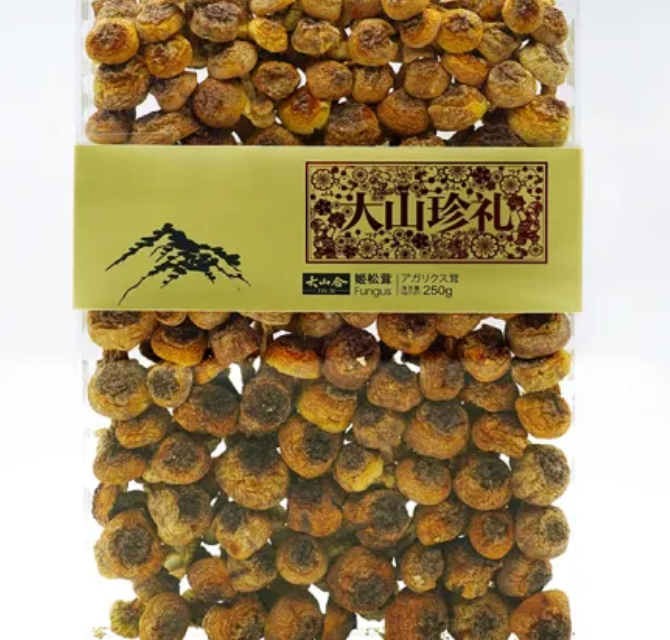
Verifying a supplier's claims requires a multi-faceted approach. Firstly, demand certified lab reports for each batch, specifying the testing method (e.g., AOAC, ISO). Secondly, employ simple, on-site verification techniques. The "snap test" is a classic: a well-dried mushroom stem should break cleanly with a sharp snap, not bend. For caps, they should be firm and brittle to the touch. A more advanced method involves using a calibrated portable moisture analyzer upon receipt of a sample. For shelf life determination, it extends beyond the moisture content at origin. The true "best before" date is a function of initial quality, packaging integrity, and storage conditions throughout the logistics chain. High-barrier, moisture-proof packaging with desiccants is non-negotiable for long sea voyages. Ask your supplier for their stability study data or empirical evidence supporting their stated shelf life (e.g., 24 months). A professional supplier will have this data and will design packaging—often with food-grade liners and oxygen scavengers—specifically to maintain the product's equilibrium relative humidity at a safe level during transit and storage, which is crucial for preserving color, texture, and bioactive compounds.
Partnering with a Technologically Advanced Supplier for Assurance
Ultimately, consistent quality control is a function of the supplier's integrated capabilities. This is where a partner like Dashanhe provides a distinct advantage. Their control over the entire process—from cultivation in climate-controlled greenhouses, through automated processing, to final packaging—creates a closed-loop system for quality. Their 500,000 sqm industrial park and multiple processing centers are designed with precision drying as a core competency. For the buyer, this translates to reliable shelf life and minimized risk. When evaluating a supplier, audit their process control points. Do they perform in-line moisture checks during drying? What is their rehydration ratio standard? A higher, consistent rehydration ratio indicates better cellular structure retention from gentle drying. Their traceability system is also key; it allows you to link any batch back to its source and processing data. In your contracts, specify not just a maximum moisture content (e.g., ≤10%) but also the testing standard and consequences for deviations. A supplier invested in advanced drying technology and transparent data sharing is not just selling a commodity; they are offering supply chain de-risking and guaranteeing the longevity of your product on the shelf.
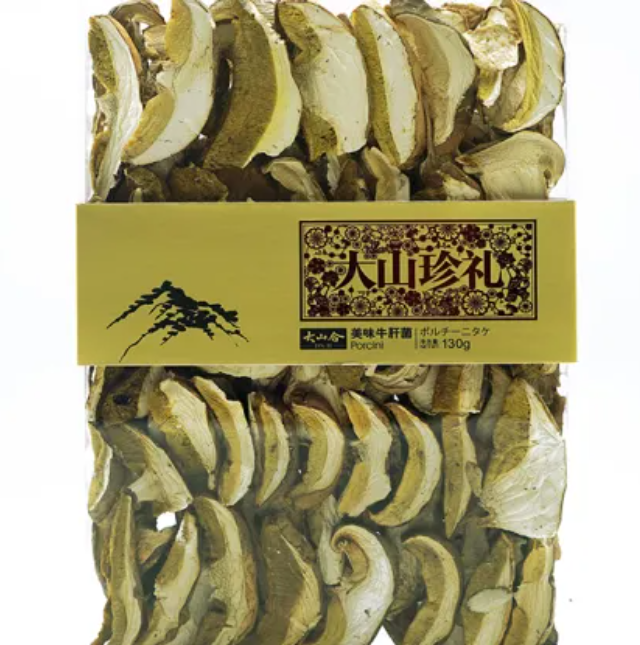
Successfully sourcing dried mushrooms hinges on mastering two interconnected metrics: moisture content and shelf life. By moving beyond basic sensory checks to demand scientific data, understand packaging's role, and partner with a technologically equipped supplier like Dashanhe, international buyers transform these quality parameters from passive specifications into active tools for risk management. This proactive approach ensures the culinary integrity, safety, and commercial value of your imported mushrooms are preserved from the factory floor to the end consumer, solidifying your reputation for quality.