



Adapting Mushroom Products for Halal Markets
2026-01-23 15:23Adapting Mushroom Products or Halal Markets
More Than Just Ingredient Sourcing
Entering the global Halal market requires a deep understanding of Islamic dietary laws, which extend far beyond the simple exclusion of pork and alcohol. Halal compliance encompasses the entire supply chain, from the source of ingredients and processing aids to sanitation practices and cross-contamination prevention. For a company like Dashanhe, this means meticulous scrutiny of every component. While mushrooms themselves are generally considered Halal, potential non-compliant elements could include alcohol-based flavor extracts, gelatin (if not from Halal-slaughtered animals) in certain formulations, or processing aids derived from non-Halal sources. Dashanhe addresses this by reformulating products to use plant-based or certified Halal alternatives. Furthermore, they ensure that natural flavors and seasonings are derived from permissible sources and that any cleaning agents used in their facilities are alcohol-free. This foundational understanding allows Dashanhe to build a product range that is intrinsically compliant, not just superficially adapted, meeting the ethical and religious expectations of Muslim consumers.

From Farm to Table
Securing a trusted Halal certification is the cornerstone of market access. This is not a one-time event but involves implementing a robust Halal Assurance System (HAS) across all operations. Dashanhe’s strategy involves engaging with internationally recognized Halal certification bodies to audit and certify their entire production process. This certification journey begins at the source: their organic mushroom farms. It extends to their highly automated production lines, where they implement strict protocols to prevent cross-contamination with any non-Halal products. This includes dedicated production schedules, thorough cleaning procedures between runs, and segregated storage for Halal-certified raw materials and finished goods. By obtaining this end-to-end certification, Dashanhe provides tangible proof of their commitment. The Halal logo on their packaging is more than a symbol; it is a trusted guarantee for consumers and importers that the product—from the mushroom spore to the final packaged item—has been handled in accordance with Islamic law. This builds indispensable trust and opens doors to major Halal-consuming nations in Southeast Asia, the Middle East, and North Africa.

Building Brand Loyalty
Achieving Halal certification is only half the battle; effectively communicating this commitment to the target market is crucial for success. Dashanhe’s approach goes beyond simply adding a logo to existing packaging. They develop targeted marketing materials that highlight their Halal certification, emphasizing the purity, safety, and ethical integrity of their products. This resonates deeply with Muslim consumers who seek not just permissible food but also wholesome and trustworthy brands. Participation in major international Halal food expos, such as those in Dubai, Kuala Lumpur, and Jakarta, is a key part of their strategy to connect directly with distributors and consumers in these regions. Additionally, Dashanhe demonstrates cultural sensitivity by tailoring product forms to regional tastes—for instance, promoting mushroom soup mixes and seasonings that complement Middle Eastern or Southeast Asian cuisines. By aligning their brand values with the values of their Halal market consumers—purity, quality, and ethical consumption—Dashanhe builds strong brand loyalty and positions itself as a preferred supplier in the global Halal food industry.
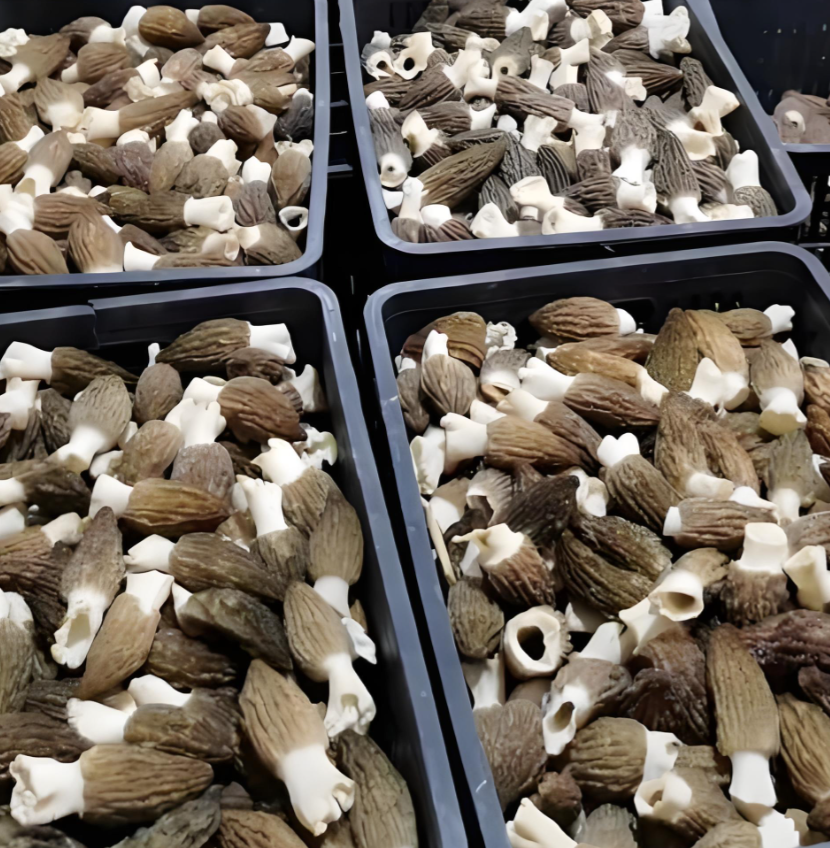
Dashanhe Group’s foray into the Halal market is a masterclass in strategic adaptation. By deeply understanding religious principles, implementing a rigorous, certified Halal assurance system, and engaging in culturally sensitive marketing, they do more than just sell mushrooms—they build trust. This comprehensive approach allows Dashanhe to effectively serve the growing global Muslim population, turning religious compliance into a significant competitive advantage and faithfully extending their mission of “Delivering Global Excellence” to diverse cultural and religious communities.